Meta’s glasses combine elements of augmented reality and AI to support hands-free interactions with other smart devices. These specs could spearhead the next wave of AI-first devices — as well as a host of privacy risks.
With Australia leading the charge, countries around the world are moving to block children from social media. But enforcing age restrictions is proving difficult — especially in the U.S., where courts have repeatedly shut down similar laws.
A recent Supreme Court decision has unleashed a torrent of state-level age verification laws in America, igniting debate over whether protecting kids online should come at the expense of privacy and free expression for adults.
Soon, ChatGPT will allow sexually explicit conversations with verified adults — a move OpenAI says is simply about “treating adult users like adults.” But with competition heating up, this is likely also a play for engagement.
From Meta’s new AR glasses to OpenAI’s mystery device, Silicon Valley is racing to build the next AI-first heir to the smartphone. The winner could not only dominate the hardware market, but reshape our entire relationship with artificial intelligence.

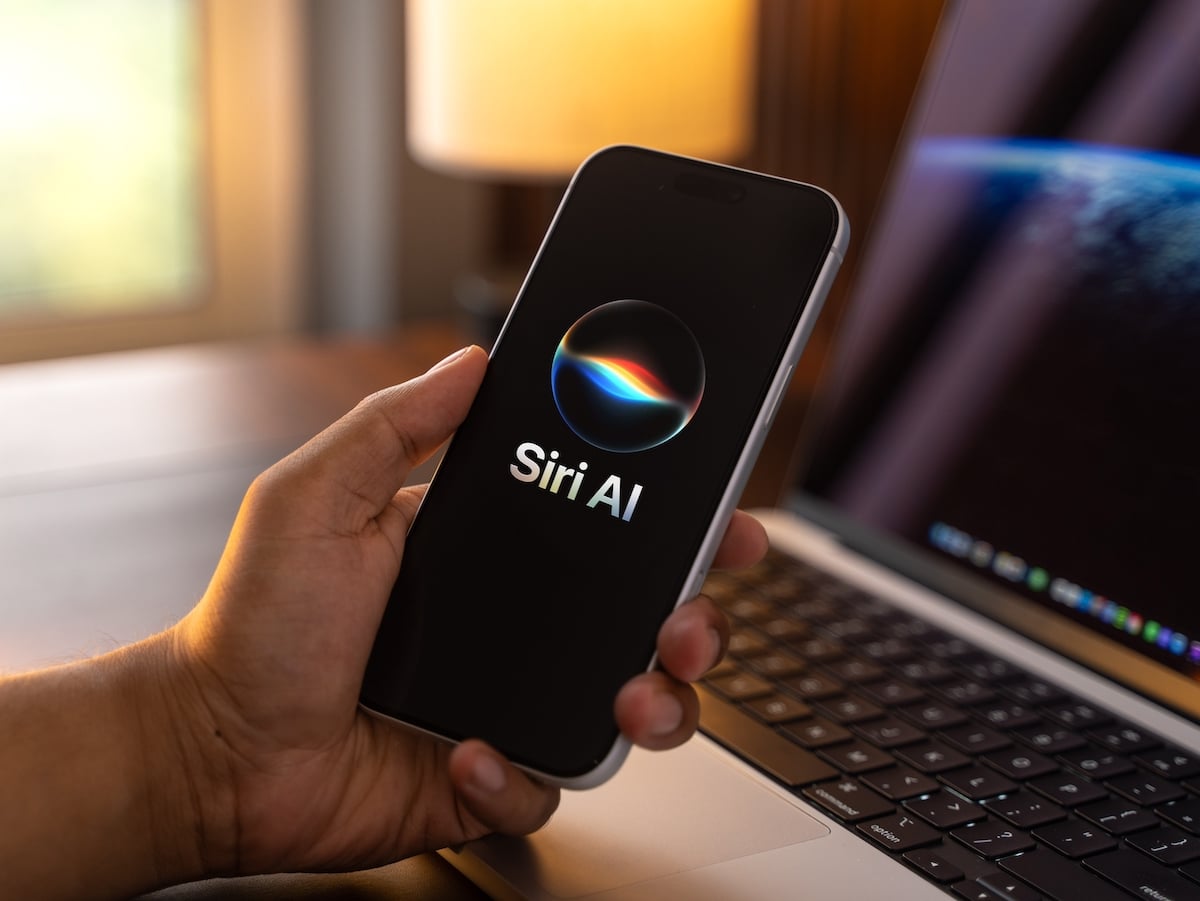
A reported AI-powered wearable pin could hint at Apple’s plans beyond the iPhone, signaling how the company may be rethinking everyday tech for an AI-first future.