Rare earth metals are a key ingredient in modern tech — and a new flashpoint in the escalating U.S.-China trade war. As China flexes its rare earth monopoly, the race to secure these critical resources is reshaping global economic and security strategies.
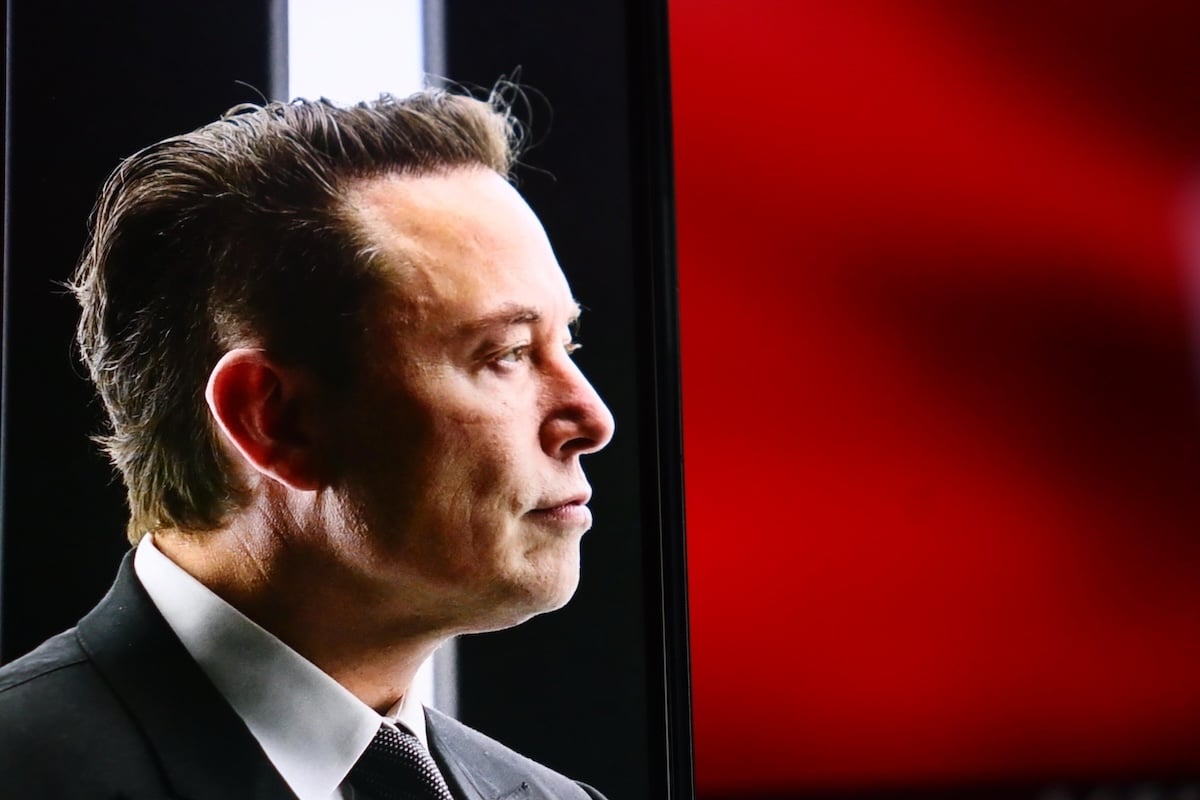
After selling dot-com era startups Zip2 and PayPal, Musk invested in techno-utopian projects like Tesla’s electric vehicles, Space X’s reusable rockets and Neuralink’s brain implants. In this article, we chronicle Musk’s evolution across his 10 companies.
Data centers are popping up around the U.S. at a record pace, often promising hundreds of permanent jobs in smaller communities. But what exactly do these jobs entail — and how long will they stick around?
These companies develop military-grade products like fighter jets and intelligence software, and they’re looking for top tech talent to join their teams.
The Trump administration is taking equity stakes in chipmakers and rare earth miners, transforming taxpayer dollars into a government stock portfolio worth over $10 billion.
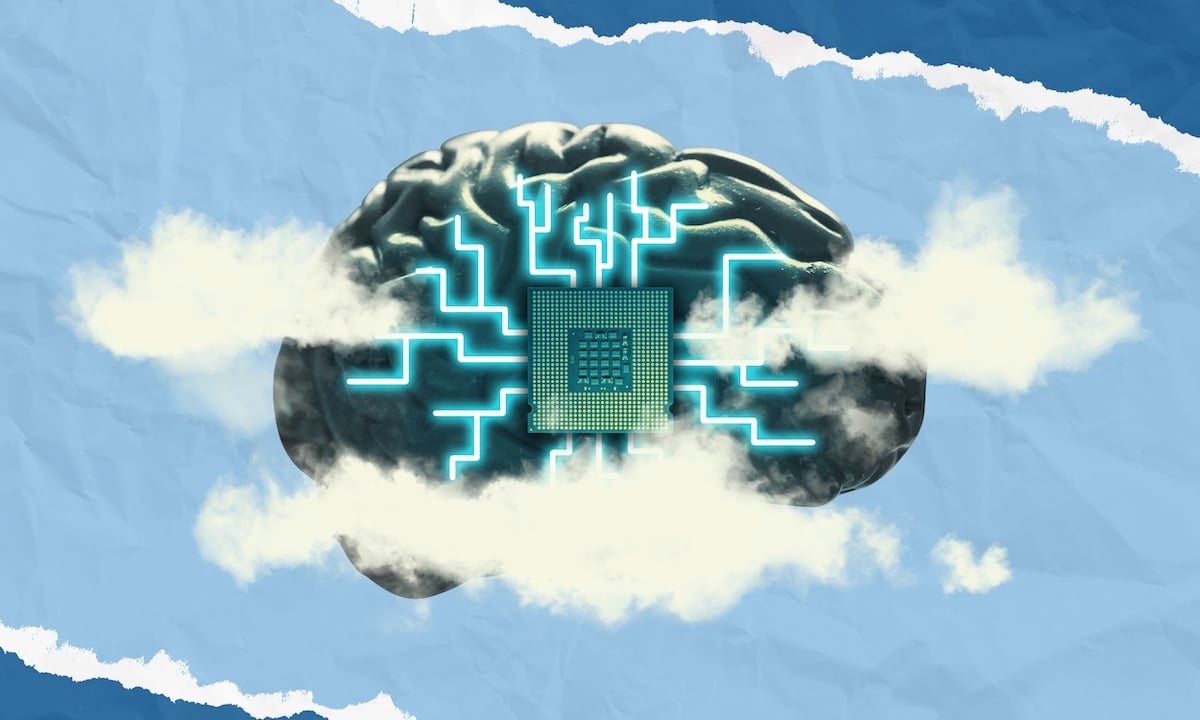
The Neuralink implant is a surgically-implanted brain-computer interface device designed to let users control a computer or mobile device using their brain activity. It is developed by Neuralink, a neurotechnology company founded by Elon Musk.
A brain-computer interface (BCI) is a system that enables a person to use their brain signals to control an external device. BCIs capture and analyze brain signals then translate them into usable commands for an external device to put into action.
Nvidia is turning heads with Alpamayo, its latest model that equips autonomous vehicles with advanced reasoning capabilities. The announcement could officially usher in the era of physical AI — and signal Nvidia is taking on a larger role in the AI race.