Designed to operate with little to no input from human pilots, AI fighter jets promise to make combat faster and safer. But their development also raises concerns over the morality of delegating life-and-death decisions to artificial intelligence.
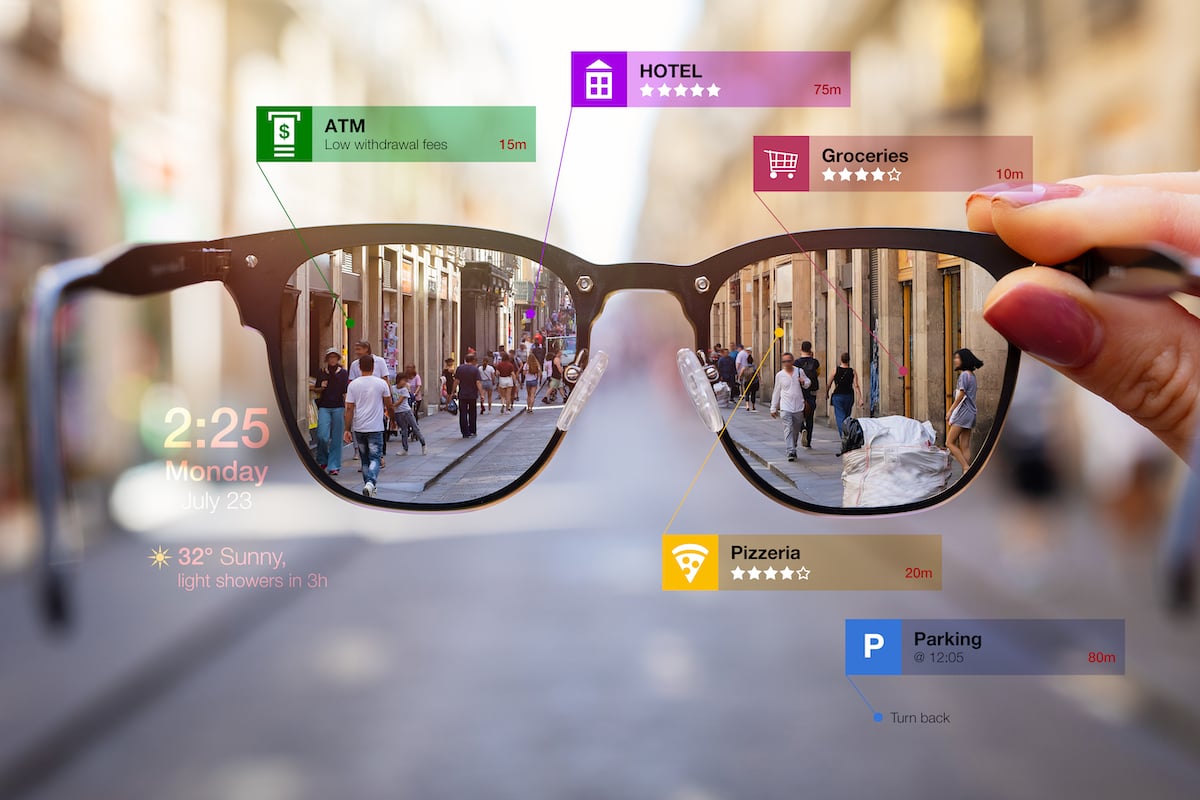
Meta’s glasses combine elements of augmented reality and AI to support hands-free interactions with other smart devices. These specs could spearhead the next wave of AI-first devices — as well as a host of privacy risks.
Nvidia initially made its name developing chips for video games, but its influence has grown far more powerful since the AI industry adopted its chips. Here’s how it has changed the tech sector, and how it’s driving the next wave of AI innovation.
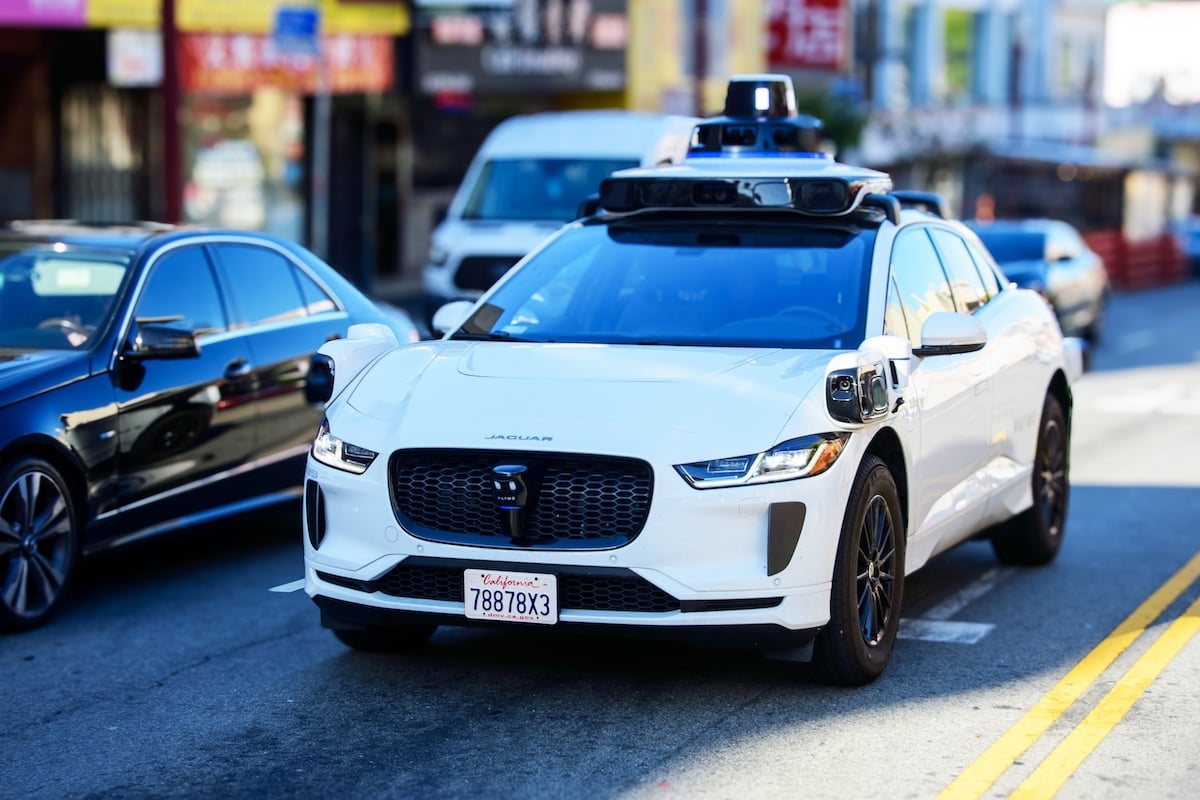
Valued at more than $120 billion, Waymo is aggressively staking its claim in key cities and major international markets in phase two of its commercial rollout, securing rider loyalty before competitors can catch up.
Anduril’s AI Grand Prix challenges engineers to build the best autonomous drone software. The winner gets a portion of the $500,000 prize pool and a chance at a job.
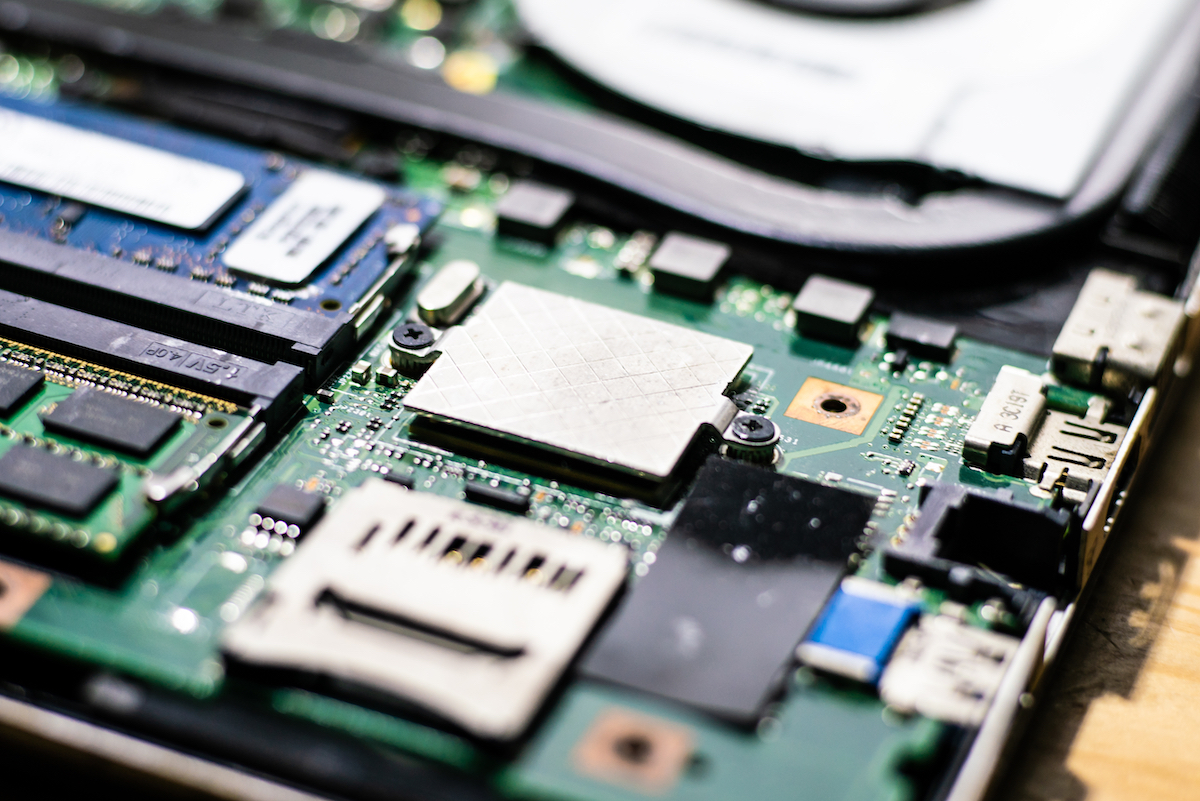
Intel co-founder Gordon Moore forever altered how we think about computing but, 55 years later, it’s safe to say Moore’s Law is finally dead. So what’s next?
Billions of dollars are changing hands between the same few AI companies. That affects everything from compute costs to market volatility — and it’s worth understanding.
A reported AI-powered wearable pin could hint at Apple’s plans beyond the iPhone, signaling how the company may be rethinking everyday tech for an AI-first future.