Unlike a cinematic score, video game music responds to the player’s actions. Getting it right can make or break the experience.
Image recognition gives machines the power to “see” and understand visual data. Here’s how image recognition works, how it’s used, how it’s limited and how it compares to computer vision and object detection.
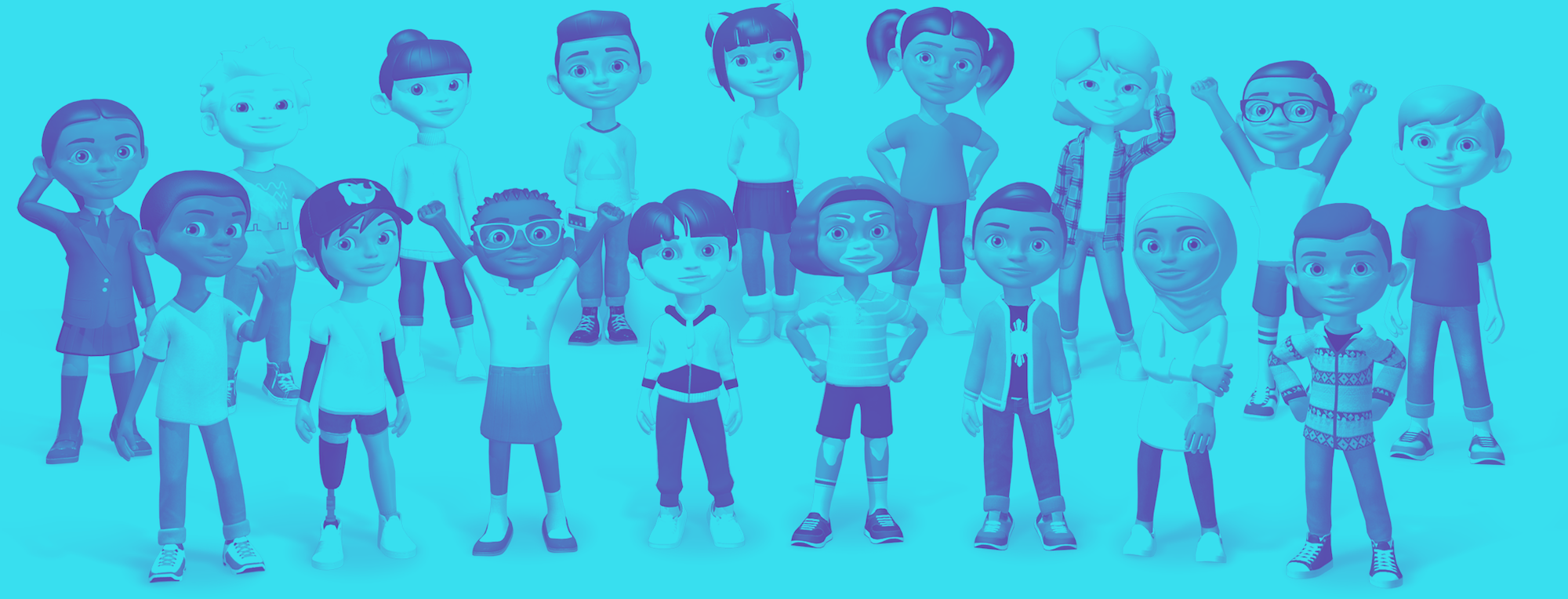
The best portrayals are multidimensional — just like the users they represent.
Information architecture has been compared to a road map, a library and a musical score. Here’s why it’s so important to user engagement.
The best AI operates in the background of the user experience, making actions more convenient without adding extra steps. Here’s how to do it.
Instagram’s “You’re All Caught Up” is a step in the right direction. But users are still mostly left to their own devices.
Meet the five-time winner of the Loebner Prize Turing Test — an annual search for the world’s most human-like chatbot.
Good research forms the backbone of the UX design process. Here are four essential techniques that will get you inside the user’s head.
Amy Jo Kim, who worked on Rock Band and The Sims, thinks gamification often misses the point. But designers can still learn from games.