Driven by AI, computer vision trains computers to analyze and understand images on an advanced level for various industries, from automotive to professional sports.
Learn what semantic segmentation is, how pixel-level classification works, how it differs from instance and panoptic segmentation, plus common models, data sets, metrics and real-world applications.
AI is transforming everyday life, but it too often leaves out people with disabilities who could really gain from the technology. Here’s why AI has missed the mark with accessibility.
Computer vision is a field of artificial intelligence that trains computers to see, interpret and understand the world around them through machine learning techniques. Here’s how it works, why it matters, how it’s used and some challenges to keep in mind.
Data augmentation is a method of applying controlled transformations of a data set to artificially expand it and improve its quality. Here’s how it works.
Few-shot learning is a machine learning framework where an AI model is given a small amount of labeled training data to learn from. Here’s how few-shot learning works and why it’s important.
Optical character recognition is a technology that allows a computer to convert scanned data into editable, searchable text. Our expert explains what you need to know.
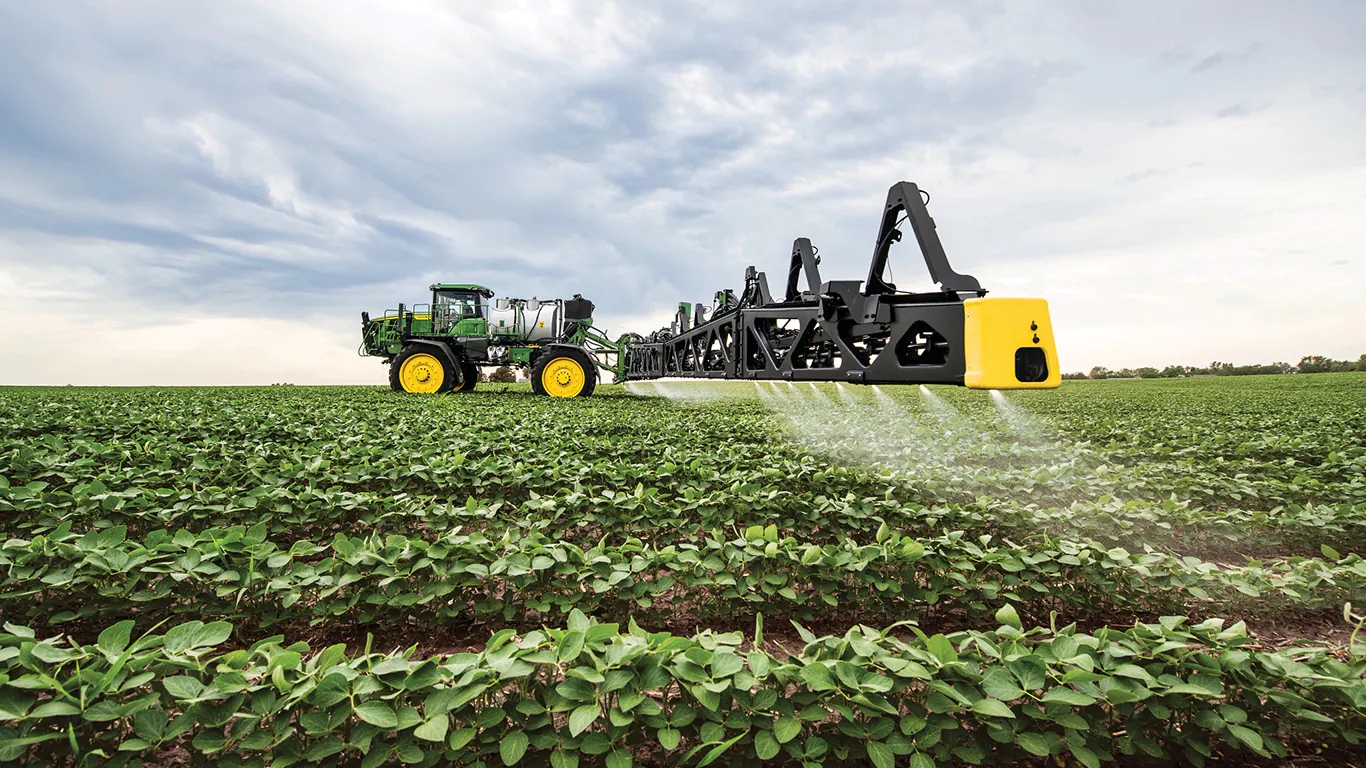
From CVML to digital twinning, John Deere is perpetually reimagining the future of farming. Built In sat down with Principal Architects Alok Kumar and Jason Wallin to learn more about the IT projects supporting the vision of “helping life leap forward.”