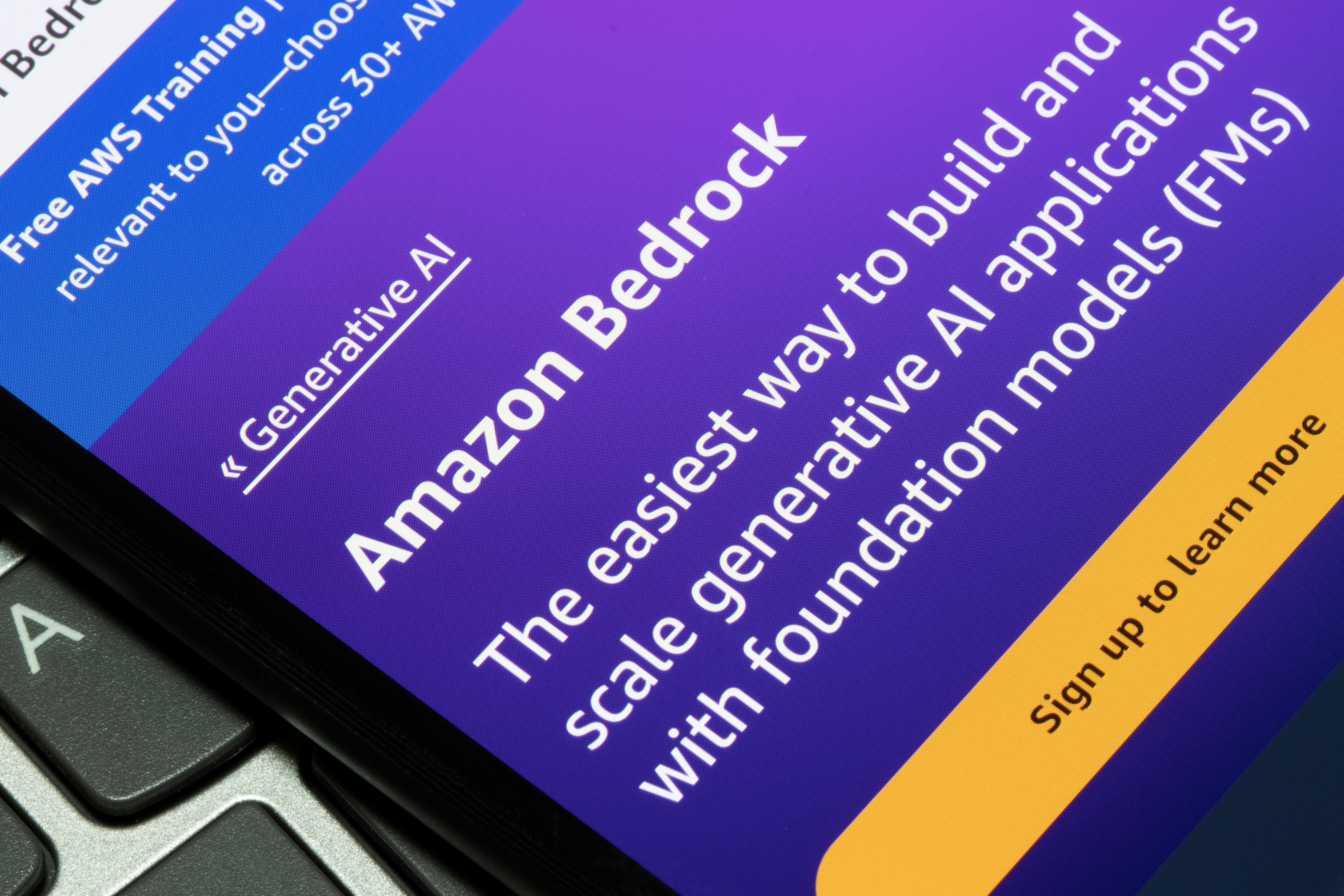
Amazon Bedrock is a fully managed AWS service for building generative AI applications. It offers foundation models from leading AI companies through an API, allowing users to access them without having to manage underlying infrastructure.
AWS and Azure dominate the cloud market, but their architectures, pricing and feature sets differ. This guide compares trade-offs to help technical teams choose the right platform.
Cloud orchestration is the automated coordination of cloud infrastructure, services and tasks into unified workflows to streamline deployment, scaling and resource management.
Cloud bursting is a cloud configuration method that shifts excess workloads from private infrastructure to the public cloud when computing demand spikes. It enables organizations to scale resources dynamically without maintaining excess in-house capacity.
SaaS (Software-as-a-Service) is a software delivery method that provides the value of a particular software through the internet instead of installing the software on their device.
Multi-cloud solutions can add unnecessary complexity that can increase security challenges. Here’s how open cloud security can help shore up those risks.
Grid computing is a distributed computing model that connects multiple computers across different locations to work together on shared tasks. It relies on a central control node and specialized middleware to execute large-scale computations efficiently.