
“When all the tools are on shelves that require seven-foot reach and your high-visibility clothing hangs halfway to your knees, it’s hard not to feel like you’re politely asking to exist in a world that isn’t meant for you.”
That’s how Mikaela Juzswik described what it felt like to be a woman in mechanical engineering. She was one of 12 women in her graduating class when she earned her undergraduate degree, and she knew back then that she would often be the only woman in the room once she entered the workplace.
While Juzswik’s field continues to be dominated mostly by men, she has found a company where she can thrive. Since joining AMP as a mechanical engineer, she has had the chance to build a lot of different things, making her role at the company feel like “a match made in heaven.”
“AMP’s given me the runway and space to branch into research and engineering, which I’ve really loved,” Juzswik said.
Having the encouragement to pursue one’s goals is a game-changer for women in engineering. At Spark Advisors, Data Engineering and Analytics Manager Torie Davids has found exactly that.
The company is helping her grow into a technical leader by enabling her to manage its data function. Now, Davids understands the company’s architecture more deeply from a technical perspective and is refining her leadership skills.
“I’ve been able to be a much better manager and technical resource with the understanding of how things are working under the hood,” she said.
For women engineers, having opportunities like these is critical, which is why Elizabeth Prairie, a senior software engineer at Pluralsight, urges women to consider a few key factors when deciding on an employer. She believes, among other things, an appreciation of diverse perspectives and a focus on mentorship are better indicators of support than perks or titles.
“Finding a place where you can bring your full self and grow alongside allies is key to long-term success and fulfillment,” Prairie said.
In honor of Women’s Equality Day, Built In caught up with Juzswik, Davids, Prairie and 15 other women engineers to learn how they’ve navigated their careers, how their current employers offer them space to thrive, and what advice they’d offer to other women in the field who are looking for their next role.
Featured Companies
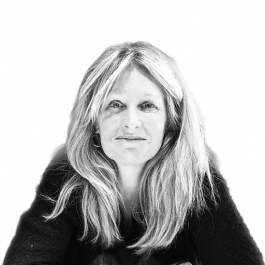

Rubrik is on a mission to “secure the world’s data,” offering products that help organizations achieve business resilience against cyberattacks, malicious insiders and operational disruptions.
Describe your experience as a woman in engineering. What are some of the challenges you’ve faced, and how have you overcome them?
Throughout my journey as an engineer, beginning with my college years in the 1980s, when women made up only about 20 percent of my engineering class, I’ve consistently collaborated in predominantly male environments. Early in my career, first in civil engineering and then software and technology organizations, this meant proactively stepping out of my comfort zone by consistently preparing ahead, deeply researching unfamiliar topics, and coming to the table informed. For me, overcoming these challenges has always meant learning extensively, seeking clarity and coming prepared to ask thoughtful, pointed questions. At Rubrik, this method still serves me well, enabling me to show up confidently, drive meaningful impact, and continuously grow in my role, keeping me engaged and committed to my work.
What are your professional goals, and how has Rubrik enabled you to pursue them? What career growth resources/opportunities are available?
My professional path has focused on continuous growth — from beginnings in civil engineering to software program management and leadership roles at Yahoo! and LinkedIn. Now at Rubrik, I’ve found opportunities to grow in impactful ways by building and leading a strong technical program management team while developing operational processes to support Rubrik’s engineering growth and efficiency.
Rubrik invests intentionally in employee growth, enabling me to establish empowering career resources and opportunities. Here, I’ve launched internal mentoring programs, developed tailored manager training, and actively supported participation at key events like Women In Tech, Grace Hopper and SheTO.org conferences. Rubrik prioritizes creating platforms that help us uncover new strengths, deepen our skills, and truly make a lasting impact.
“Rubrik prioritizes creating platforms that help us uncover new strengths, deepen our skills, and truly make a lasting impact.”
What advice do you have for women in engineering or other technical roles regarding how to identify a company and team that will support their growth and development?
When considering an organization, carefully examine its culture to ensure that inclusion is authentically prioritized. Seek visible indicators such as representation of women in leadership positions and accessible, meaningful career development initiatives, including mentorship, career sponsorship, specialized training and structured leadership programs. These offerings demonstrate a deliberate investment in your ongoing professional growth. Perhaps most importantly, consider carefully whether your direct manager is genuinely committed to your personal development and actively advocates for your success. Finding a team and a leader dedicated to supporting your growth makes all the difference.


Squarespace’s platform enables brands and organizations to build websites and promote their businesses through email marketing, SEO tools and more.
Describe your experience as a woman in engineering. What are some of the challenges you’ve faced, and how have you overcome them?
I’ve always loved problem-solving. I was drawn to mathematics in school and started out as a chemical engineer before switching to software. Like many women in the science, technology, engineering and mathematics field, I’ve often been one of the few women in the room. It’s something I got used to during my studies, but it still brings its own challenges.
One subtle challenge I’ve noticed is around communication in meetings. In remote settings, I appreciate the ability to “raise a hand” and have a clear turn to speak. In person, it can be more difficult to break into a conversation, especially in a room that isn’t gender-balanced.
Instead of feeling held back, I’ve focused on embracing the strengths I bring to the table, like empathy, kindness and relationship-building. These have been especially valuable in cross-functional projects, where collaboration and communication are key.
What are your professional goals, and how has Squarespace enabled you to pursue them? What career growth resources/opportunities are available?
My goal is to grow into a T-shaped engineer, someone who’s deeply skilled in front-end development but also has a solid understanding of the back end. I want to be able to contribute across the stack while still having a clear area of focus.
Squarespace has supported that growth through internal mobility. Being able to move into other teams gave me exposure to new technologies and challenges that align more closely with my long-term goals. Squarespace also offers resources that support both technical and personal development. One that’s been particularly meaningful for me is the engineering peer coaching group within our Women+ ERG. Through that, I was introduced to a former Squarespace employee’s talk on glue work, which really changed how I think about career growth. It helped me recognize when I was spending a lot of time on important but often overlooked responsibilities; things that keep a team running smoothly but aren’t always visible or rewarded. This can be especially true as an early-career engineer. This insight helped me to set clearer boundaries and become more intentional about where I want to grow and what kind of impact I want to have.
“Being able to move into other teams gave me exposure to new technologies and challenges that align more closely with my long-term goals.”
What advice do you have for women in engineering or other technical roles regarding how to identify a company and team that will support their growth and development?
Be comfortable with the uncomfortable. Coding can be frustrating at times; there will always be moments where you don’t know what you’re doing, and that’s OK. Take on work that stretches you, even if it’s outside of your area of expertise, as that’s where the learning happens.
When looking for a company, pay attention to whether they encourage that kind of growth. During my interview at Squarespace, I was told they’d rather see great engineers move teams than move companies, which stuck with me. Also, look for teams with a genuine willingness to mentor. Supportive people make all the difference when you're pushing yourself to grow.


Personio’s HR platform is designed to help small- and medium-sized businesses handle payroll, onboarding, recruiting and more.
Describe your experience as a woman in engineering. What are some of the challenges you’ve faced, and how have you overcome them?
The big challenge when I started working was that I did not feel like I fit in. In other words, I wasn’t someone who spent their free time on tech topics like many of my colleagues. Luckily, I got an amazing manager around nine months into my role who helped me see how I could leverage my differences to add value.
Since then, my main challenge has been creating visibility. My default mode is to quietly do good work, which I think is somewhat typical for women. But I’ve learned and grown much more whenever I’ve talked about the challenges I faced as well as what I was doing about them.
What are your professional goals, and how has Personio enabled you to pursue them? What career growth resources/opportunities are available?
Personio as a smaller company is naturally much less mature in its management practices than Meta. It’s part of why I chose to make the move. I’d like to apply my experience in big tech to improving management practices. I’m still working out how to best pursue that beyond role-modeling and working with my peers.
“I’d like to apply my experience in big tech to improving management practices.”
What advice do you have for women in engineering or other technical roles regarding how to identify a company and team that will support their growth and development?
Get as much information as possible during the interview/hiring phase: Are they hiring you for your knowledge or for your skills/potential? When you ask your future manager about growth, does it sound like a one-size-fits-all-path or a conversation about jointly finding the right challenges for you to grow on the job?
Of course, you should also figure out how you want to grow so you can ask as specific questions as possible. Is it important for you to have someone closely guiding and teaching you, or are you looking for big challenges that you’re being trusted to solve? Are there specific technical or soft skills you’re wanting to gain?


Pluralsight’s online learning platform is designed to help employees at companies and government organizations build stronger skill sets.
Describe your experience as a woman in engineering. What are some of the challenges you’ve faced, and how have you overcome them?
As a senior software engineer, I’m often the only woman and the only queer person in the room. I’ve faced moments where I had to work harder to earn the same credibility as my peers. At times, despite holding a senior role, I’ve encountered situations where male colleagues seemed to doubt my judgment, something I believe was rooted in bias.
Being the only woman comes with pressure to prove myself and to represent more than just my own work. I’ve also experienced imposter syndrome, which made those moments even harder. I’ve overcome these challenges by seeking out mentors and allies and by supporting other women and underrepresented groups in tech. These experiences have made me more resilient and driven to foster inclusive spaces where diverse voices are heard and valued — at work and beyond.
What are your professional goals, and how has Pluralsight enabled you to pursue them? What career growth resources/opportunities are available?
One of my main professional goals is to grow into a stronger technical leader, someone who not only builds great software, but also helps shape inclusive team cultures and mentors others along the way. I’m also interested in moving into staff or principal engineering roles where I can influence technical direction across teams.
Pluralsight has supported these goals by giving me space to lead cross-functional projects and encouraging me to take ownership of complex problems. I’ve also had access to mentorship and regular career conversations that help me stay intentional about growth. Just as importantly, I’ve felt supported in showing up as my full self at work, which has made it easier to focus on growth without feeling like I have to fit into a mold.
“I’ve felt supported in showing up as my full self at work, which has made it easier to focus on growth without feeling like I have to fit into a mold.”
What advice do you have for women in engineering or other technical roles regarding how to identify a company and team that will support their growth and development?
My advice for women in engineering is to look for companies and teams where you feel genuinely supported and seen not just as an employee but as a whole person. Pay attention to the leadership. Are there women and other underrepresented individuals in senior roles? For the first time in my career, I have more women than men in my leadership chain. That has made a huge difference. I feel supported, seen and surrounded by strong role models who are actively rooting for me.
Also, trust your instincts about team culture. Is there open communication? Do people value diverse perspectives? Do they invest in mentorship and make space for growth? These factors are often better indicators of support than perks or titles. Finding a place where you can bring your full self and grow alongside allies is key to long-term success and fulfillment.
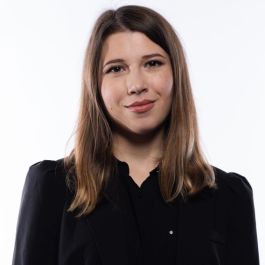

Smartcat’s language AI platform is designed to turn content in any format into any language in an effort to simplify content creation for global enterprises.
Describe your experience as a woman in engineering. What are some of the challenges you’ve faced, and how have you overcome them?
During my work, I never encountered any problems connected with gender. But previously, I often worried about how to fit into a male team, since there are very few female DevOps engineers and all my colleagues are men. Now, I know that I worried in vain because everything was always fine, since the main thing is what kind of specialist you are and not what gender you and your colleagues are.
What are your professional goals, and how has Smartcat enabled you to pursue them? What career growth resources/opportunities are available?
I would like to develop further as an engineer by studying new technologies and approaches. I also plan to start speaking at conferences dedicated to IT topics. My colleagues support me. They are always ready to explain what I don’t know yet and help me bring any of my work to perfection.
“My colleagues support me. They are always ready to explain what I don’t know yet and help me bring any of my work to perfection.”
What advice do you have for women in engineering or other technical roles regarding how to identify a company and team that will support their growth and development?
It seems to me that the main thing is to make sure that neither you or your colleagues believe in stereotypes. And then you can do what you like and what you feel is useful to society.


Rula’s platform is designed to make it easier for people to find in-network therapists and psychiatrists.
Describe your experience as a woman in engineering. What are some of the challenges you’ve faced, and how have you overcome them?
My experience has been, naturally, mixed. I have experienced all of the classic gender biases – having my work or opinions being dismissed, needing an older, male counterpart to say the same thing to be heard, being pigeon-holed into doing glue work because I’m good at it but not getting the associated recognition, etcetera. One of the biggest challenges for me, personally, is that I get in my head a lot. When I have a less-than-positive experience, it’s impossible to attribute it to one thing, even if gender could be a factor. I tend to obsess over situations, wondering how they could have or should have gone better and asking, “Would the same thing have happened if I were a man?” That kind of thing. At the start of my career, that feeling was compounded because I also lacked experience and self-confidence, and I felt like I needed to know everything.
Throughout the years, watching role models with decades more experience openly ask questions — even asking me for input — shifted my perspective on what competence and “good engineers” looked like. I have also been very lucky in my career to have amazing peers and managers who have been supportive of me and my career growth and have helped me find my voice.
What are your professional goals, and how has Rula enabled you to pursue them? What career growth resources/opportunities are available?
My professional goals have always centered around helping others, whether that’s through building impactful software, mentoring colleagues or creating supportive team environments. The more I grow my own skill set, the better equipped I am to support those around me and contribute meaningfully to the work we do.
I’ve never felt tied to a specific technology; instead, I’m driven by the opportunity to learn broadly and apply that knowledge where it’s most impactful. Working at a startup has given me the chance to wear many hats, which has accelerated my learning and exposed me to different facets of the business. Rula has supported my growth by encouraging cross-functional collaboration, providing mentorship and giving me space to explore new challenges. Being a part of Rula’s mission to help make mental health care accessible has also been personally rewarding.
“Rula has supported my growth by encouraging cross-functional collaboration, providing mentorship and giving me space to explore new challenges.”
What advice do you have for women in engineering or other technical roles regarding how to identify a company and team that will support their growth and development?
Look for a company or team where you feel safe being your whole self. Almost every tech company will offer interesting technical challenges — those come and go — but what truly fuels growth is being in an environment where you feel valued and supported.
In my own experience, the times I’ve grown the most have occurred when I’m surrounded by colleagues who are genuinely invested in my success. Prioritizing the people you work with, rather than just the problems you’re solving, often leads to a more empowering and sustainable career path.


Vivid Seats’ online ticket marketplace enables people to purchase tickets for concerts, sports games and other live events.
Describe your experience as a woman in engineering. What are some of the challenges you’ve faced, and how have you overcome them?
I’ve been really fortunate throughout my career to have had managers who have looked out for me and made space for me, and to have other women in both technical and non-technical roles in my corner who I have leaned on for advice, support and encouragement. That said, there have been many times where I have looked around a room and realized that I am one of few women or the only woman present. This can be isolating and can certainly amplify feelings of imposter syndrome, which is perfectly normal to experience, by the way!
I’ve found it helpful to keep a folder of positive feedback I receive so that I can reflect on past wins and jobs well done when imposter syndrome creeps up. I also like to keep track of accomplishments of all sizes at work, whether it’s solving a small but tricky bug or leading a team through a complex project. It can be so helpful to remind myself of what I’ve accomplished. Lastly, I find a mentor at work or otherwise who can help be a sounding board and reframe moments of growth!
What are your professional goals, and how has Vivid Seats enabled you to pursue them? What career growth resources/opportunities are available?
Right now, I’m continually focused on sharpening my strategic architecture decision-making skills and leading project teams more effectively. For the long term, I aspire to be in a leadership position. I’m energized by working collaboratively and I’m excited to lean more heavily into that as my career progresses. I’m inspired by other women I see in engineering leadership positions, and I’m looking forward to being a mentor to other women engineers early in their career.
Vivid Seats offers a lot of different opportunities to hone those skills. I am currently going through the Clifton StrengthsFinder program, where it’s been so insightful to learn more about how to leverage my strengths and about my teammates’ strengths and working styles. On the technical side, engineering at Vivid Seats has a culture of team-wide ownership. If you have an idea for a process improvement or technical enhancement, you will have the support and space to take ownership, experiment and make those changes. We also have a variety of forums to discuss new technologies and best practices, such as our React Guild and our AI Meetup, so there are always opportunities to learn and brainstorm with others.
“If you have an idea for a process improvement or technical enhancement, you will have the support and space to take ownership, experiment and make those changes.”
What advice do you have for women in engineering or other technical roles regarding how to identify a company and team that will support their growth and development?
Before interviewing, review the company values and benefits. Do they align with an environment where growth and development are a priority? If you are a parent or caregiver, are there company policies in plan to support you? If you are in the interview stage, don’t be afraid to ask your interviewers for examples of times where they have supported a teammate or direct report in the career, or for a time that they have received that support. Additionally, interviews should be similar to what collaborating day to day will be like. Would your interviewers be people who you could see yourself working alongside to further your career? Choosing the right team is about more than the role itself; it’s about finding a place where you’re encouraged to bring your whole self, where your voice is valued and where your growth is not just supported but celebrated.
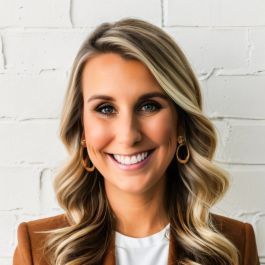

360Learning’s AI-driven platform is designed to enable learning and development teams to create content, automate tasks, boost engagement and more.
Describe your experience as a woman in engineering. What are some of the challenges you’ve faced, and how have you overcome them?
As a woman in sales engineering, I’ve had to walk the line of technical expertise and business strategy in a space where women are still underrepresented and often not taken seriously. Every new client can feel like a fresh credibility test. Early on in my career, I’ve had customers ask for a male to be added to the call because “the vice president responds better to men,” even though I was the most tenured on the team. Sometimes internal communication can be a tightrope. Being direct gets labeled as “too much,” while softening my voice causes my ideas or options to be taken less seriously. It’s a constant balancing act. This is something I’m mindful of and work on every day with every message. I handle it by pausing before I respond, leading with clarity and confidence, and reminding myself that being direct doesn’t make me difficult — it makes me effective.
What’s helped is building a personal brand, both internally and on LinkedIn, rooted in preparation, consistency, data and cross-team members. I’ve become known as someone who understands our product, company and market and also makes technical concepts easy to grasp. I’m not just someone who “runs the demo” — I’m the glue of the deal.
What are your professional goals, and how has 360Learning enabled you to pursue them? What career growth resources/opportunities are available?
My goal has always been to move beyond just “supporting deals” and become a strategic voice in the sales org, to be someone who helps shape how we sell, message, and scale what’s working. I want to lead with facts, technical credibility and business impact, and eventually build and mentor teams that do the same.
“I want to lead with facts, technical credibility and business impact, and eventually build and mentor teams that do the same.”
At my current company, I’ve been given the space to grow into that. I’ve led strategic initiatives like building demo frameworks, supported huge deals and presented at conferences, which pushed me closer to my long-term goal of becoming a more active public speaker. I’ve also been encouraged to develop my brand internally and externally, which has helped me mentor others and share what I’ve learned along the way.
What I’ve learned is that growth isn’t just about a title; it’s about being trusted, challenged and surrounded by people who support your potential, even when you’re still figuring it out yourself. That kind of environment makes it easier to take risks, speak up, and grow into the leader I’m aiming to become.
What advice do you have for women in engineering or other technical roles regarding how to identify a company and team that will support their growth and development?
Pay attention to what’s actually valued, not just what’s written in the job description. Ask questions during interviews like, “Can you share an example of someone who’s grown here recently?” or “How do team members get visibility with leadership?” Ask about mentorship, stretch projects and how feedback is given. Talk to other women on the team if you can. LinkedIn makes it easy to reach out and get honest insights. Look at how leaders show up online and internally: Do they give credit? Do they support growth or just delegate tasks?
The right team will make space for your voice, challenge you in the right ways, and support your growth before you have a title. You shouldn’t have to fight to be heard and fight to grow. Look for places where your potential is seen, not just your readiness.
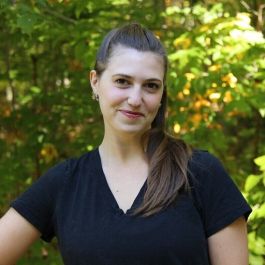

Spark Advisors’ platform offers independent Medicare brokers access to workflows and services to help them grow their businesses.
Describe your experience as a woman in engineering. What are some of the challenges you’ve faced, and how have you overcome them?
Since my first computer science class in college, I’ve gotten used to being one of the only women in the room. As a CS and gender studies double major — one of just two at my university — making engineering more inclusive has always been a priority. In the workplace, that meant being the only woman on my team and spending significant time in ERGs and community spaces. My male peers generally didn’t take on the same commitments, giving them more time for visibility and advancement. At the same time, I often had to defend my work; not based on merit but because it was assumed I didn’t fully understand it. Having men explain back the algorithm I wrote or take credit for the idea was exhausting and time-consuming.
What’s helped: First, be transparent. If your team doesn’t know what you’re juggling or what bias looks like, they can’t help change it. Also, take advantage of your community spaces! ERGs are a great chance to build cross-functional relationships. Ask non-engineers about their pain points. Listening closely can lead to impactful work for your team. Secondly, your perspective is a strength. Difference drives creativity. And when imposter syndrome hits, fake it.
What are your professional goals, and how has Spark Advisors enabled you to pursue them? What career growth resources/opportunities are available?
I’m hoping to grow into a technical leader, which Spark has greatly supported me with by hiring me on to manage our data function. I’ll acknowledge that this is the best-defined path for growth in the engineering space — from individual contributor to manager to director and onward — so promotion paths have been relatively standard. That said, Spark was able to bring me on in a player-coach role, which has really allowed me to understand our architecture from a technical perspective. I’ve been able to be a much better manager and technical resource with the understanding of how things are working under the hood. Additionally, Spark really thinks about current talent when making staffing plans: How can we help the talent we already grow? What are their career goals? This has been invaluable as the company grows.
“I’m hoping to grow into a technical leader, which Spark has greatly supported me with by hiring me on to manage our data function.”
What advice do you have for women in engineering or other technical roles regarding how to identify a company and team that will support their growth and development?
This is a great question! Here are some surface level things: Pay attention during interviews. Are there any women leading technical interviews? Do any of the interviewers mention women they work with? What about diversity as a value at all? Are you being talked down to during your coding interview?
Ask questions: It can feel really scary to ask about diversity during interviews. Ask questions like, “Are there resources for female engineers at this company, and how many non-male identifying engineers work here?” If a company responds poorly to those questions, that’s a big red flag. The interview process is as much for you as it is for the company!
Look for salary transparency. Even if a company doesn’t have the salary band for the role published directly on the job description, they should be able to speak to this and their overall philosophy toward salary. A part of being valued as a woman in engineering is being paid like the men in engineering!

Compa’s platform is designed to help organizations make more informed compensation decisions.
Describe your experience as a woman in engineering. What are some of the challenges you’ve faced, and how have you overcome them?
I've been really fortunate to work on an engineering team at Compa that has strong female representation. Throughout my career so far, I haven’t experienced blatant discrimination, which I’m incredibly grateful for. That said, I’ve noticed it’s often harder to form personal connections when you’re different from people around you. It’s human nature to gravitate toward those who are like you. In a field that’s mostly made up of men, that can mean women start out a step behind when it comes to building relationships. And those relationships really matter when it comes to growing your career.
What’s helped me is leading with curiosity. I try to approach everyone I meet with a genuine interest in who they are. I love learning about people’s lives and experiences, especially when they’re different from mine. Instead of focusing on what we have in common, I lean into our differences and ask questions to understand their world better. Walking into a big meeting where I’m the only woman can definitely feel intimidating. But I’ve learned to see that as a strength. Being different means I can bring a fresh perspective to the conversation, and that’s often where the best ideas come from!
What are your professional goals, and how has Compa enabled you to pursue them? What career growth resources/opportunities are available?
I always said that I wanted to be the chief technology officer of my own startup one day. To get there, I knew I needed real-world experience at a startup first, which is what brought me to Compa. I joined as a software engineer nearly straight out of college with a lot to learn.
Since then, my manager, Joe Malandruccolo, Compa’s co-founder and CTO, has been incredibly intentional about helping me grow toward that goal. He’s consistently given me opportunities to build the skills a future CTO would need, even when those challenges felt a bit over my head. About a year in, I got to tech-lead a major project: Compa’s first data product, Offers. From there, I got involved in hiring and built out most of the engineering team. More recently, I’ve moved into management, gaining experience with leadership and people development.
What’s helped me grow the most is being constantly challenged. I’ve learned that the best way to keep growing is to step outside of your comfort zone every single day. At Compa, I get the space and support to do exactly that. A good manager can help you grow at speeds you’d never dream of.
“I’ve learned that the best way to keep growing is to step outside of your comfort zone every single day. At Compa, I get the space and support to do exactly that.”
What advice do you have for women in engineering or other technical roles regarding how to identify a company and team that will support their growth and development?
Ask lots of questions during the interview process. It’s your best chance to figure out if a team is the right fit. Don’t hold back; you’re interviewing them just as much as they’re interviewing you.
I’m a little biased toward startups because that’s where I’ve built my experience, but I really believe that they’re the best environment for fast career growth. One year at a startup can feel like five at a larger company. Things move quickly, and you learn a ton. That said, you still need to find the right team.
A good starting point is to look at representation. If women make up a solid percentage of the engineering team or hold leadership roles, even around 25 percent, it’s a good sign that the company supports equal access to growth. Also, look for companies that support non-linear growth. If you ask about career development, and they give rigid timelines like, “You have to spend three years at the junior level before moving up,” that might not be the best environment. People grow at different speeds. The best teams recognize that and reward your progress, even if it happens faster than expected.


DISQO’s ad measurement platform is designed to enable brands, agencies and media companies to gauge the effectiveness of their ad campaigns across all platforms.
Describe your experience as a woman in engineering. What are some of the challenges you’ve faced, and how have you overcome them?
Starting as a technical writer more than 10 years ago and transitioning to software engineering, I’ve navigated the full spectrum of challenges: imposter syndrome, being underestimated and working with teams hesitant to collaborate. Early on, engineers would understand products inside-out but weren’t eager to share knowledge with the “documentation person.” My strategy? Ask relentless questions without hesitation, believing there are no dumb questions; we weren’t born knowing this. I reminded myself: Those giving me a hard time were once beginners, too.
A turning point came through feedback; both technical and non-technical users were praising documentation that helped them understand complex products. Those validation moments showed the team that my persistent questions weren’t just about writing but about bridging engineering and user understanding. That’s when collaboration shifted from reluctant to enthusiastic. There are no small moments in this journey. Each piece of feedback built my confidence, and support from managers across companies helped me develop the personality needed to establish myself in tech. It’s been a long path, but every challenge shaped who I am today.
What are your professional goals, and how has DISQO enabled you to pursue them? What career growth resources/opportunities are available?
What inspires me most is my company’s belief in potential over pedigree. They offered me something extraordinary, a complete career pivot from technical writing to software engineering, trusting I could bring unique value in this role. This transition exemplifies my core aspiration: continuous growth through challenging opportunities. DISQO pairs me with skilled engineers genuinely eager to invest in my learning and development. The leadership team actively supports career growth through strategic project assignments and by staying at the cutting edge; they invest heavily in the latest AI tooling and ensure we’re working with state-of-the-art technologies. What sets them apart is how they create real advancement opportunities rather than just talking about growth.
My goal is to become as skilled as possible in software engineering, particularly in AI, and they’re providing an environment where that’s not just possible — it’s accelerated. The combination of technical training, leadership development and psychological safety to take risks has accelerated my growth exponentially. This supportive ecosystem doesn’t just enable goals; it helps you discover aspirations you didn’t know you had.
“My goal is to become as skilled as possible in software engineering, particularly in AI, and they’re providing an environment where that’s not just possible — it’s accelerated.”
What advice do you have for women in engineering or other technical roles regarding how to identify a company and team that will support their growth and development?
Red flags to watch for include teams where knowledge-sharing is difficult, managers who do not invest in your growth and cultures where fitting in means holding back your perspective. If you are consistently left out of technical conversations or your ideas are reused without credit, it may be time to move on. Green flags include leaders who promote from within, engineers who mentor and workplaces that welcome innovation from anyone, regardless of title.
At DISQO, I started a Women in Tech program with strong support from my team and leadership. Look for places where employee-driven initiatives are encouraged, not just allowed. Pay attention to whether women hold real technical leadership roles, not just symbolic ones. My favorite interview questions are: How is knowledge shared between teams, and what does psychological safety look like here? Listen for clear examples, not just buzzwords. Trust your instincts; if a team values your ideas and sees your background as an asset, that is where you belong.


Teachable’s no-code platform is designed to enable creators to build their businesses through online courses, digital downloads and coaching services.
Describe your experience as a woman in engineering. What are some of the challenges you’ve faced, and how have you overcome them?
When you feel like you don’t belong, it can be hard to show up. There’s you, and then there’s the version of you in response: a little less sure, a bit more on guard. I’ve had my moments in tech. But the hardest part isn't being ignored or spoken down to. It isn’t the microaggressions or even the internalized competition between women. The hardest part is in the moments before and after: the heavy pause after an exchange, the hesitation before the next: a little less sure, a bit more on guard. It’s the questioning and doubting, and disappearing into that version of myself. It can happen in meetings, ending sentences with question marks or in code reviews, overthinking language and tone. The challenge is remembering who I am and showing up as that person, even when it feels like she doesn’t belong — because she does.
I’m grateful I work with such a delightful team that at some point I stopped feeling like a woman in tech and more simply that I’m a woman and am in tech. But growth, of course, is rarely linear, and a safe space now isn’t a promise of a safe future. So I’ve learned over time to do what’s in my control: Build my confidence from within, and become that safe space for others.
What are your professional goals, and how has Teachable enabled you to pursue them? What career growth resources/opportunities are available?
Management, definitely. I love seeing people win, and I love helping them get there — as a cheerleader, an extra pair of hands (or eyes), a champion or an accountability partner. But there’s more to management than this. So, with the help of my own manager, I’ve taken more ownership over projects involving decision-making at a larger scale, developing skills across the stack in areas like technical direction, cross-functional collaboration, project management and delivery. In other spaces as an ERG lead, I’ve spent the last two years cultivating a safe community for my colleagues, where honest conversations are held and respected.
“With the help of my own manager, I’ve taken more ownership over projects involving decision-making at a larger scale, developing skills across the stack in areas like technical direction, cross-functional collaboration, project management and delivery.”
What advice do you have for women in engineering or other technical roles regarding how to identify a company and team that will support their growth and development?
One engineering manager at Teachable saw an opportunity for this, so she created a weekly meeting where we drop in and do anything, from sharing our latest work, to mob programming, to sometimes just chatting. We also get paired up with a new colleague every two weeks for coffee chats. I’ve come to appreciate this space because of the relationships I’ve formed through it. It’s a space for women to be seen and heard.
Ask your interviewers about their own experiences. How comfortable are they showing up? How often are they in a room with other women? What is that like, and could they do the same for you?

Canoe’s cloud-based alternative investments platform is designed to turn complex documents into actionable data.
Describe your experience as a woman in engineering. What are some of the challenges you’ve faced, and how have you overcome them?
The information technology and security space is classically male-dominated, although it’s becoming less so by the day. Since entering this field, I have always been acutely aware that in order to be heard, I couldn’t just be “good” at my job — I would have to excel. I always bring my best into work every day because I believe my attitude, work ethic and know-how will shatter any predispositions. It’s not easy, and I’ve had more than my fair share of awkward or belittling interactions, but I’m always learning and growing with the support of my team at Canoe!
What are your professional goals, and how has Canoe enabled you to pursue them? What career growth resources/opportunities are available?
At the moment, I am really enjoying being as hands-on and technical as possible. Analyzing suspicious events, restructuring technological workflows and sending out security public service announcements about the latest threats are all parts of my job that make me feel the most fulfilled. I’m grateful to be allowed to tackle such challenges as valuable hands-on experience, as well as have professional training and textbooks at my disposal. Canoe is invested in my future, no matter where I want my career path to go, whether that be as an engineer, an architect, a manager or, eventually, a chief information security officer.
“Canoe is invested in my future, no matter where I want my career path to go, whether that be as an engineer, an architect, a manager or, eventually, a chief information security officer.”
What advice do you have for women in engineering or other technical roles regarding how to identify a company and team that will support their growth and development?
For me, it has been a “when you know, you know” experience. The difference between a company that values you as an individual and one that does not is completely night and day. My advice would be to speak up and speak your mind as often as possible. Be thoughtful, ask questions, and don’t be afraid to be wrong. How people respond to you after failure is the ultimate indicator of whether or not you will be able to flourish. Trust your gut! A supportive team at a company that cares is out there waiting for you.


Immuta’s platform provides Fortune 500 companies and government agencies with data security, governance and continuous monitoring across complex data ecosystems.
Describe your experience as a woman in engineering. What are some of the challenges you’ve faced, and how have you overcome them?
When I began my career as a software engineer, I had doubts about whether I would measure up to expectations. I felt that the confidence I carried in my social life didn’t translate into my professional environment. This disconnect was frustrating, and it’s something I’m still working on.
But over the past year and a half, I’ve learned to give myself grace. I remind myself, and others remind me, that confidence comes with practice. Advocating for myself, however that looks, is one of the best ways I can grow. With time, it’s becoming more natural, and I’ve felt my confidence growing. Alongside the experience I’ve gained, I feel more sure of myself and my skills. I’ve also learned that simply acknowledging my progress is a powerful step in overcoming self-doubt. Being a woman in engineering is challenging, but it’s also incredibly rewarding. It’s natural to find it intimidating to work in a male-dominated field, but I take pride in being a part of that representation and in helping to pave the way for others.
What are your professional goals, and how has Immuta enabled you to pursue them? What career growth resources/opportunities are available?
My focus has always been continuous growth, with the long-term goal of becoming a senior engineer who helps shape product direction, foster team culture, and pay it forward by mentoring others. I’m fortunate that Immuta gives me the support I need to make this happen. Since starting at Immuta, I’ve defined a clear career progression framework and worked one-on-one with mentors who support my development. I’ve had opportunities to own impactful work and have been encouraged to dedicate time to self-learning.
“I’ve had opportunities to own impactful work and have been encouraged to dedicate time to self-learning.”
Immuta also supports my growth beyond the workplace, as an individual and not just an engineer. I’ve attended alumni events for women in STEM and listened to inspiring talks from female leaders in the industry. I’ve also represented Immuta at women in STEM conferences, leading conversations and offering advice to undergraduate students who are now on the same path I was on in college. These experiences have provided me with a strong foundation, and I’m excited to grow into the engineer and teammate I aspire to be.
What advice do you have for women in engineering or other technical roles regarding how to identify a company and team that will support their growth and development?
My advice is to do your research, but also trust your gut. Figure out what matters to you, and ask targeted questions during the hiring process. Everyone thrives in different environments, so what works for someone else may not work for you. Pay attention not just to the answers you receive but how they’re delivered. If a response makes you feel dismissed or embarrassed, it’s often a sign of how that dynamic might show up when you’re learning on the job, especially as a woman in a male-dominated field. A supportive environment that values representation and includes coworkers who advocate for you is key to building confidence in your career. I felt comfortable and cared for throughout the entire interview process with Immuta. That openness and genuineness have carried over into my time here, and it’s made all the difference in my ability to grow.

VSCO’s platform enables creative professionals to edit photos and videos, connect with others across the industry and gain exposure to brands for hiring opportunities.
Describe your experience as a woman in engineering. What are some of the challenges you’ve faced, and how have you overcome them?
As a woman in engineering, imposter syndrome has definitely plagued me, but I’ve learned that that’s true for so many! Simply persevering and gaining more experience has boosted my confidence in my abilities and my value, and I think that’s totally normal. Accepting praise has often been difficult for me, but I’ve realized how important it is to celebrate my wins and re-write my own narrative to chip away at my limiting beliefs. The less I worry about “whether I belong here,” the more I can focus on my growth, be more forgiving of my missteps and have room to help others in their journeys.
“The less I worry about ‘whether I belong here,’ the more I can focus on my growth, be more forgiving of my missteps and have room to help others in their journeys.”
Women face a unique challenge due to the “role model effect.” With women being less represented in technical roles, many women in tech haven’t seen role models in leadership positions or even similar roles to themselves. This can exacerbate the feelings of not belonging and can make it more difficult to confidently visualize growth journeys for themselves. Seeking out friendships and mentorship from other women in tech has been helpful to me, even though it can be more work. Hopefully, as more women in engineering develop in our careers, we can continue to lift others up alongside us.
What are your professional goals, and how has VSCO enabled you to pursue them? What career growth resources/opportunities are available?
Discovering my professional goals has been a journey that I’m sure will continue to evolve. Of course, developing and deepening my technical expertise and helping others do the same has been core to me. I love collaborating and sharing, and I think the tech industry is a stronghold for that, with things such as open source leading the way. At VSCO, we have a deeply engrained culture of sharing, with organizations such as engineering guilds for different technical areas, and regular engineering all-hands meetings, where anyone is encouraged to share technical deep dives on topics of their interest.
Luckily for me, my technical career has often coincided with my personal interests, and I’ve been able to bring a lot of myself to the job. Photography and photo editing is a passion of mine outside of work, and I’m happy that I can blend my personal passion with what I get to work on at VSCO! I’ve also had the opportunity to attend conferences, both in person and virtually, related to the field of graphics as well as to front-end technologies, which are the specific technical areas I work in.
What advice do you have for women in engineering or other technical roles regarding how to identify a company and team that will support their growth and development?
I think that is a challenge we all face! Even though it has become a cliché, don’t forget when looking for a new role, you are interviewing them. Finding a place that will support you will involve support from both the overall company as well as the specific team and manager. Questions that I’ve asked prospective employers include: “How will I know what is expected of me, and how will I know whether I am meeting the expectations of my role?” For a company invested in developing their people, this should be a softball. Companies with clear growth guides are likely to be transparent in how they assess employees and more ready to hold conversations about growth.
At VSCO, our growth guides are a huge part of development across the company. Other questions you can ask are: “How does delivering praise and critical feedback work here?” and “If an employee has a developmental goal like [Y], what would be the path to achieve that at this company?” Asking questions will help you learn about both the manager’s and the company’s views on growth. Be truthful with yourself in what you hear. If the company and team don’t have practices to support your growth, consider finding somewhere that does!


Nisos is a human risk management company specializing in unmasking threats before they escalate. They are a trusted advisor who operates as an extension of security, intelligence, legal, and human resource teams to protect their people and business.
Describe your experience as a woman in engineering. What are some of the challenges you’ve faced, and how have you overcome them?
One of the biggest challenges I’ve faced is imposter syndrome. Lacking a traditional software engineering degree and having switched careers multiple times, I felt like I wasn’t good enough. Even after becoming a software developer, I constantly compared myself to my peers and felt like I didn’t belong.
However, things started to change when I began mentoring junior developers and co-hosting a women in tech group. Hearing others’ stories and struggles helped me realize that my fears were normal. The support I got from these conversations gave me the confidence to pursue roles I previously thought I wasn’t capable of.
What are your professional goals, and how has Nisos enabled you to pursue them? What career growth resources/opportunities are available?
As I continue to grow in my career, my main goal is to strike a balance between being a “jack of all trades” and mastering specific areas, particularly architecture and design patterns. When I joined Nisos, I was familiar with some of the technologies, but others were new to me. Thankfully, the company provides a quarterly training budget, allowing me to take courses and certifications that interest me. I also have regular meetings with my manager to discuss growth opportunities and receive hands-on tasks to apply my new skills. Additionally, I’ve participated in various workshops and training sessions with the technology team, which have been really valuable in helping me level up my knowledge.
“I’ve participated in various workshops and training sessions with the technology team, which have been really valuable in helping me level up my knowledge.”
What advice do you have for women in engineering or other technical roles regarding how to identify a company and team that will support their growth and development?
When searching for a company, research and ask questions in interviews to ensure you’ll fit in and feel comfortable. Key questions for me include: What training resources are available, is mentorship or paired programming offered, and what’s a typical day like for the team?
Don’t be deterred if you don’t meet every requirement on a job posting. If the company’s values and technology align with yours, apply regardless. Imposter syndrome and self-doubt can be hurdles, but don’t let them hold you back from pursuing your dream role.

Bold Penguin’s products are designed to simplify commercial business insurance.
Describe your experience as a woman in engineering. What are some of the challenges you’ve faced, and how have you overcome them?
I don’t know if I’ve faced any specific challenges besides becoming accustomed to having mostly male peers. I haven’t any problems with that; it’s just a dynamic you have to be prepared for.
What are your professional goals, and how has Bold Penguin enabled you to pursue them? What career growth resources/opportunities are available?
My goals are to stay up to date with my engineering skills, work somewhere with a good work-life balance, work on projects that I find interesting, and be paid a fair salary for the work I’m doing. My company does well with work-life balance with a generous PTO policy and a culture that encourages taking time off. They post salary ranges on the job listings, which helps set expectations about compensation.
“My company does well with work-life balance with a generous PTO policy and a culture that encourages taking time off.”
As far as interesting projects, a lot of that can depend on you as an engineer and what you are interested in, but knowing the problems the company is solving and the tech stack they are using can help you narrow down choices.
What advice do you have for women in engineering or other technical roles regarding how to identify a company and team that will support their growth and development?
I would look for whether the company has a defined career path for your role and if they can point to specific people who have advanced along that path. If higher roles are only there on paper or are only filled externally, then advancing within that company seems less likely to happen.

AMP is an AI-powered sortation company that aims to modernize the world’s recycling infrastructure and maximize the value in waste, offering solutions that are designed to reduce labor costs, increase resource recovery and deliver more reliable operations.
Describe your experience as a woman in engineering. What are some of the challenges you’ve faced, and how have you overcome them?
It can be really lonely sometimes, in a way that sneaks up on you at first. In my experience, there’s always company swag in my size (because most engineers wear normal sizes like large), and there’s often not personal protective gear in my size. When all the tools are on shelves that require seven-foot reach and your high-visibility clothing hangs halfway to your knees, it’s hard not to feel like you’re politely asking to exist in a world that isn’t meant for you.
This isn’t a new problem, nor a showstopping one. I had 12 women in my undergraduate class, and that was the largest number of women I’ve shared a department with, by a long shot. Most of us already know we’re in the same boat — or, at the very least, in separate boats in the same ocean.
But what now? Is this world meant for me? Why doesn’t it feel like it is? This is something that I’ve — mostly — been growing out of, as I get older and realize there’s no specific point at which adulthood comes easily. It can get messy. Engineering is messy! We get the stepladders for the high shelves, and we share what wins we can, and we keep going.
What are your professional goals, and how has AMP enabled you to pursue them? What career growth resources/opportunities are available?
Conceptually, I find myself shying away from the idea of long-term professional goals in much the same way that a rat in a dumpster might flee deeper to avoid the noise of a garbage truck, unaware that this does not in fact fix the bigger problem. This seems to at least be the case with a lot of engineers. I’ve been in the field for a while now! The thought surprises and unnerves me.
I like building things, and AMP has a lot of things to build — a match made in heaven. Recently, I’ve managed to carve out an engineering niche of being the go-to person for doing all sorts of “trash magic/science,” and writing impossibly detailed speculation on why the trash behaves the way it does, and eventually teaching big robots to do it all over again. This was not entirely in the original job description and feels a bit like a role that was expanded specifically for me, because I was the kind of person who enjoys reading white papers on literal garbage.
“I like building things, and AMP has a lot of things to build — a match made in heaven.”
Principal trash-toucher? Trash engineering manager? Hard to say. AMP’s given me the runway and space to branch into research and engineering, which I’ve really loved.
What advice do you have for women in engineering or other technical roles regarding how to identify a company and team that will support their growth and development?
“Simply ask the other women” can be an impossibly high bar without meaning much. I’ve been the first or only woman in my department in every job I’ve had since earning my undergraduate degree, and I’ve had overwhelmingly positive experiences.
I think it’s important to recognize that hostile work environments are rarely going to be toxic only in terms of being unsupportive of women. Likewise, it’s key to understand that it can be incredibly hard — borderline impossible — to defensively navigate coworkers who don’t see you as an equal. Successfully existing in a combative space that doesn’t want you is one of those “technically achievable, probably shouldn’t” goals that so often sneaks up on engineers.
At the end of the day, I look for companies that focus on problem-solving rather than blame. In engineering, something is always one fire; when the cards fold, it’s crazy how the witchhunts tend to find at least one burnable witch. Avoiding mistakes in engineering is a fool’s errand, but I find it’s far more sustainable to look for companies that focus on learning from mistakes and moving forward, which has kept me moving forward as well.