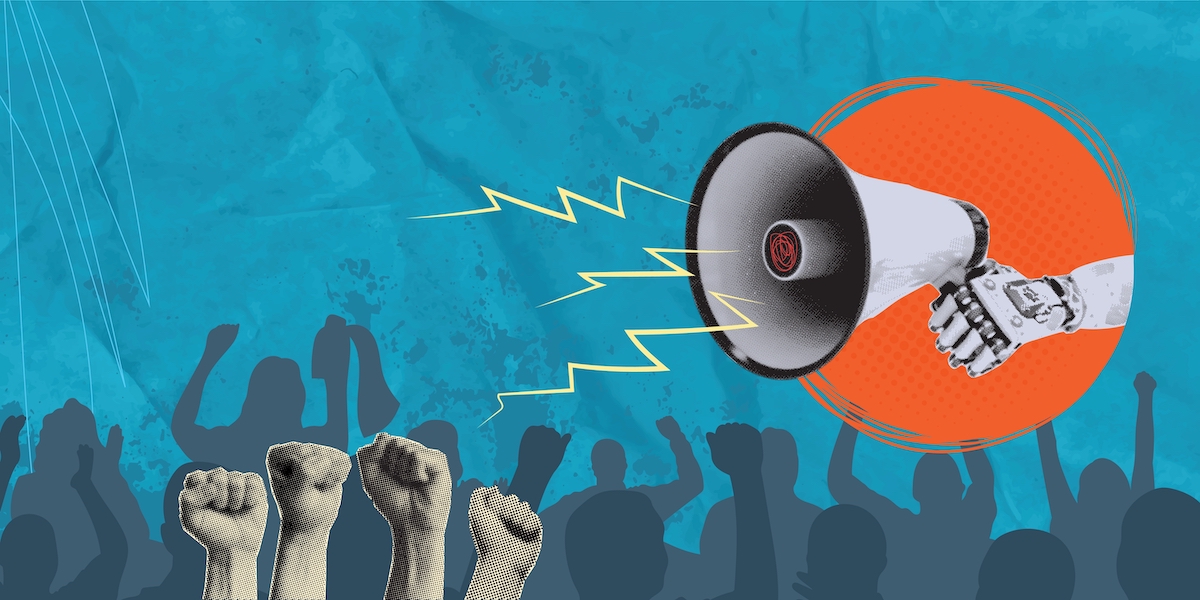
AI may take the blame for the layoff anxiety infiltrating companies, but the real culprit is ineffective operations. Our expert examines why that is and how to fix it.
Facial recognition uses AI and biometric data to identify individuals by their unique facial features. Learn how the technology works, where it’s used and the benefits and disadvantages — including its ethical concerns.
AI overviews, zero-click results and AI search engines don’t have to spell doom for your content strategy. Here are a few tips on how to stand out in the modern search landscape.
Diffusion models are generative AI models based on principles drawn from physics that are useful for image generation. Our expert explains how they work.
Computer vision is a field of artificial intelligence that trains computers to see, interpret and understand the world around them through machine learning techniques. Here’s how it works, why it matters, how it’s used and some challenges to keep in mind.
Generative AI crafts original content — text, images, music — while predictive AI forecasts future outcomes from data. Both are applications of artificial intelligence, only one creates and the other predicts.
With generative AI, writing job descriptions no longer has to be a slog. Check out some of the most popular AI job description generators and how they’re making life easier for everyone, from small businesses to international organizations.
NPUs are the hot new AI chip, boasting enhanced deep learning capabilities while consuming a fraction of the energy — and all without data ever leaving the device.