

Sprig
What's the Company Culture Like at Sprig?
This page summarizes recurring themes identified from responses generated by popular LLMs to common candidate questions about Sprig and has not been reviewed or approved by Sprig.
What's the company culture like at Sprig?
Strengths in collaboration, recognition, and high ownership are accompanied by challenges tied to a fast pace, shifting priorities, and uneven structure. Together, these dynamics suggest an engaging environment for those who thrive amid change and autonomy, with a more mixed experience for those preferring steadier processes and clearer long-term pathways.
Key Insight for Candidates
Defining tradeoff: Sprig couples high-ownership, research-driven speed with hybrid, in-person collaboration—enabling rapid impact but causing frequent priority shifts and lean processes. Candidates who thrive in ambiguity and open debate will excel; those seeking stable structures and clear growth paths may feel strained.Positive Themes About Sprig
-
Collaborative & Supportive Culture: Teams are described as working closely together in hybrid and in-person settings, with open debate grounded in research and data alongside frequent peer feedback. Offices are designed for teamwork and a friendly, close-knit atmosphere that supports shared problem-solving.
-
Recognition, Pride & Shared Success: Management appreciation and opportunities for special recognition are emphasized, paired with a "Win as a team" ethos and community-building perks. Many employees are portrayed as feeling appreciated with visible responsibility and contributions that matter.
-
Accountability & Ownership: Work is characterized by high autonomy, direct product impact, and expectations to follow through at a high bar for quality and speed. Simplicity and shared ownership encourage stepping beyond narrow role boundaries to deliver outcomes.
Considerations About Sprig
-
Workload & Burnout: A fast pace with lean teams and demanding standards can create pressure and extended periods of intensity. Shifting priorities and high expectations may strain those seeking steadier workload rhythms.
-
Change Fatigue & Ineffective Decision-Making: Priorities are said to change frequently, with occasional abrupt decisions and uncertainty around management or structure. This evolving environment can make direction feel less predictable and career development less clear.
-
Poor Communication: Unclear structures and inconsistent leadership are noted as pain points, creating confusion about decisions and roles at times. Information flow can feel uneven during periods of organizational change.
NEW
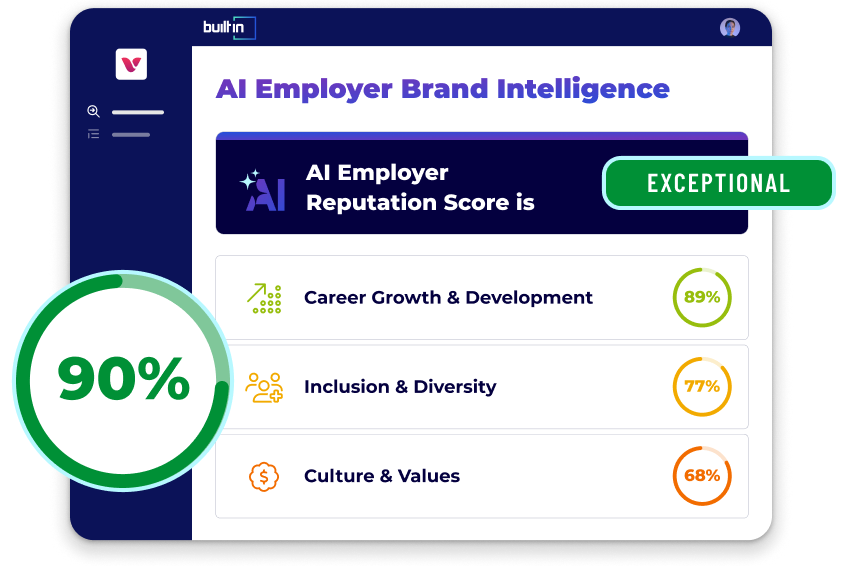
What does AI tell candidates about your employer brand?
Get your free AI reputation report today.
See AI Report
Sprig Insights
Sprig FAQs
Is This Your Company?
Claim Profile
