


Relativity Space

Relativity Space Company Growth, Stability & Outlook
Frequently Asked Questions
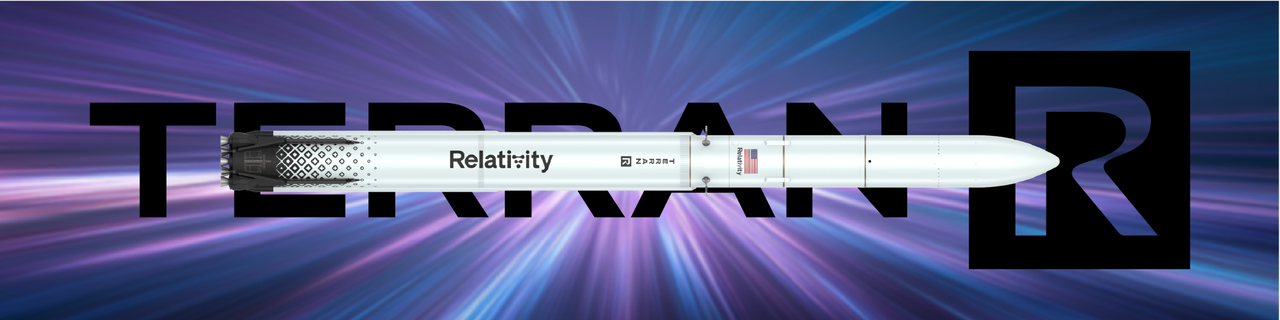
Relativity Space's financial resilience is supported by substantial customer commitments, long-term investor backing and continued investment in its Terran R launch program. The privately held aerospace company has secured more than $3 billion in pre-sold launch contracts across over a dozen customers, providing a foundation of future commercial demand. Its strategy focuses on translating that demand into sustainable launch operations through reusable technology, efficient manufacturing and partnerships with commercial satellite operators and government agencies.
- Strong customer demand supports future revenue opportunities: Relativity Space has established a multibillion-dollar launch backlog through agreements with satellite operators, telecommunications companies and government-related customers. Its commercial relationships include SES, Eutelsat and other organizations seeking reliable access to orbit. SES, a global satellite communications provider, expanded its multi-year, multi-launch agreement to support future satellite deployments using Terran R. These commitments provide visibility into potential future revenue as Relativity Space develops its launch capabilities, although contracted launches become earned revenue as services are delivered.
- Long-term investors provide capital and strategic support: Relativity Space has attracted substantial investment from major financial institutions and technology investors, including Fidelity, Bond, Playground Global and Social Capital. Following more than $2 billion in historical fundraising reported by PitchBook, former Google CEO Eric Schmidt acquired a controlling stake and became CEO, bringing additional financial backing and experience scaling technology businesses. The company's president and chief financial officer has also emphasized its "strong financial footing" and ability to support Terran R development. This combination of investment and experienced leadership supports the company's focus on long-term commercialization.
- Manufacturing investments demonstrate progress toward commercial operations: Relativity Space has continued building the infrastructure needed to manufacture, test and launch Terran R. Its Long Beach headquarters supports rocket production, NASA's Stennis Space Center hosts engine and stage testing, and Launch Complex 16 at Cape Canaveral is being developed for flight operations. Technical milestones include completing the first-stage structural qualification campaign and installing all 13 Aeon R engines onto the first flight's thrust structure. The company has also begun producing hardware for subsequent vehicles, demonstrating progress toward a repeatable manufacturing and launch operation.
- A scalable launch strategy creates opportunities for sustainable growth: Terran R is designed to serve the expanding market for large satellites and low-Earth-orbit constellations, with reusable technology intended to improve launch economics over time. Relativity Space combines traditional aerospace manufacturing with advanced 3D printing to improve production efficiency and reduce development costs. The rocket's ability to serve commercial, scientific and national security missions also broadens its potential customer base, supporting a business strategy built around multiple sources of launch demand.
- External signals:
- NASA contract eligibility: NASA added Terran R to its Launch Services II contract, allowing the company to compete for future agency launch missions. (NASA)
- National security opportunities: The U.S. Space Force selected Relativity Federal for its National Security Space Launch Phase 3 Lane 1 program, expanding opportunities to compete for government missions. (U.S. Space Force)
- Expanded commercial commitments: SES strengthened its relationship with Relativity Space through an expanded agreement covering multiple satellite launches. (SES)
Bottom line: Relativity Space's customer backlog, investor support, expanding infrastructure and growing government opportunities provide meaningful indicators of its long-term business potential. These factors demonstrate commercial demand and continued progress toward building a sustainable aerospace launch business.
Relativity Space's Candidate Tradeoffs
If you’re weighing whether Relativity Space is the right fit, these are the core tradeoffs to consider.
- Relativity Space places greater emphasis on doubling down on its competitive edge and focused investment than on broad, evenly distributed expansion.
Relativity Space Employee Perspectives
Relativity Space’s progress is shaped by the dedication and collaboration of employees who have helped the company reach significant milestones in aerospace innovation. From early engine hot-fire tests to the launch of Terran 1, team members have contributed to major achievements that demonstrate the company's technical development and long-term ambitions. For employees who have grown alongside Relativity, these accomplishments reflect a shared commitment to overcoming challenges, advancing technology and building toward the future of space exploration.
“In over six years, I've witnessed major firsts, from early engine hot fires to Terran 1's flight. Each milestone reflects the dedication and teamwork that make Relativity unique.”

What People Are Saying About Relativity Space
-
Strong Hiring & Retention: Workforce size is described at roughly 2,000 in 2026, with independent estimates rising from about 1,275 in 2023 to over 2,100 by 2026. This points to active scaling of engineering, manufacturing, and operations tied to Terran R production, testing, and launch-site buildout.
-
Market Expansion: New and enlarged facilities at Cape Canaveral and NASA Stennis, alongside multiple U.S. locations and a significant Florida expansion program with potential state support, indicate a rapidly expanding physical footprint. These investments span production, testing, integration, and launch infrastructure advancing toward operational readiness.
-
Strategic Partnerships: More than $3 billion in presold launch agreements across over a dozen customers and an expanded SES multilaunch deal, combined with NASA’s addition of Terran R to its Launch Services II contract and Space Force program access, signal broadening commercial and government ties. These relationships expand near-term addressable opportunities once Terran R is flight-ready.
