

Living Security
What's It Like to Work at Living Security?
This page summarizes recurring themes identified from responses generated by popular LLMs to common candidate questions about Living Security and has not been reviewed or approved by Living Security.
What's it like to work at Living Security?
Strengths in talented teamwork, autonomy, and mission-driven work are accompanied by challenges tied to workload intensity, rapid change, and uneven management practices. Together, these dynamics suggest a high-impact environment best suited to those who thrive in fast-moving settings and can navigate evolving structures.
Key Insight for Candidates
Ownership-and-impact versus stability-and-structure is the core tradeoff: Living Security’s remote-first, AI-first, high-agency culture pivots quickly and can feel “all hands on deck.” Candidates who crave autonomy will thrive, but those needing predictable processes or strict work-life boundaries should probe team norms and workload expectations.Evidence in Action
- All-Hands-On-Deck Work Pace — Internal sentiment highlights an "all hands on deck 24/7" norm during product pushes. Employees experience rapid pivots and intense sprints, trading some predictability for impact and cross-functional exposure.
- AI-First High Agency — The stated values "AI first" and "high agency" shape daily execution and decision-making. People are expected to act autonomously, use AI in workflows, and tie outcomes to customer value.
Positive Themes About Living Security
-
Team Support: Colleagues are often seen as smart, collaborative, and supportive, creating a high-performing peer environment. Cross-functional work offers exposure to talented teammates while executing quickly.
-
Autonomy: Roles commonly involve high agency and creative freedom with minimal micromanagement. Individuals are expected to identify problems, move fast, and tie outcomes to customer impact.
-
Mission & Purpose: Work centers on reducing human risk and improving security behavior for enterprises, offering a clear sense of impact. An engaging, playful approach to security education reinforces purpose through gamified experiences.
Considerations About Living Security
-
Workload & Burnout: The environment is often fast-paced and “all hands on deck,” with long hours during growth phases and product pushes. Tight deadlines and stretched resources can make balancing personal time difficult.
-
Change Fatigue: Priorities, processes, and role definitions can shift quickly as strategies evolve and the company restructures toward profitability. Frequent pivots and rapid scaling create ambiguity that not everyone may prefer.
-
Weak Management: Engineering practices have at times been characterized as inconsistent, with limited architectural guidance and onboarding gaps alongside periods of high turnover. Signs of improving focus exist, but process maturity appears to vary by team.
NEW
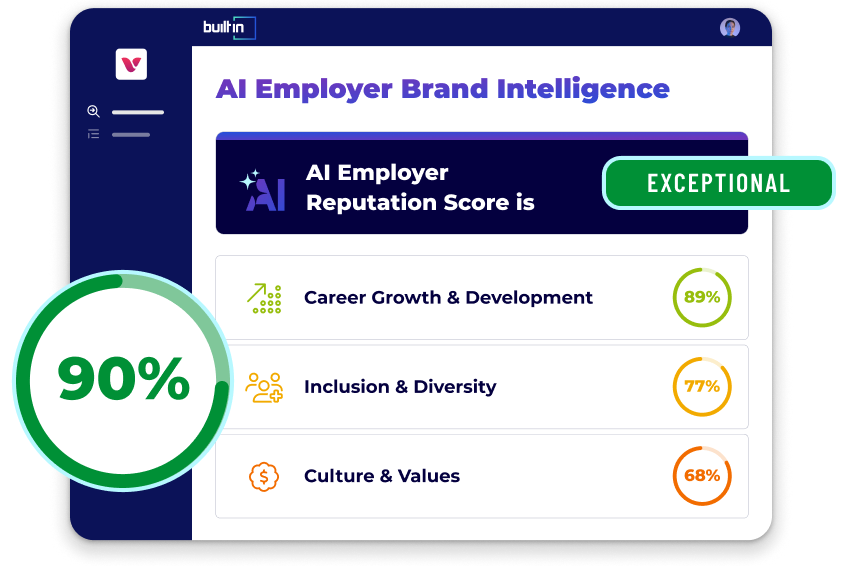
What does AI tell candidates about your employer brand?
Get your free AI reputation report today.
See AI Report
Living Security Insights
Living Security FAQs
Is This Your Company?
Claim Profile
