

Living Security
What's the Work-Life Balance Like at Living Security?
This page summarizes recurring themes identified from responses generated by popular LLMs to common candidate questions about Living Security and has not been reviewed or approved by Living Security.
What's the work-life balance like at Living Security?
Strengths in remote-first flexibility, adaptable scheduling, and accessible time off are accompanied by challenges from a fast-paced, growth-oriented environment that can elevate intensity and vary by team or cycle. Together, these dynamics suggest formal policies that support balance while the lived experience may hinge on role, manager expectations, and periods of operational demand.
Key Insight for Candidates
Remote-first flexibility paired with scale-up intensity. Living Security offers responsible/unlimited PTO and flexible schedules, yet rapid growth and shifting priorities create spikes in workload and ambiguity. Expect high autonomy and celebrations alongside occasional sprints that test boundaries of work-life balance.Evidence in Action
- Remote-First Responsible PTO — The remote-first workforce, flexible schedules, and responsible PTO—including unlimited PTO, paid holidays, and paid sick time—establish flexibility as a core operating mode. Employees can plan work around personal needs, take time off without accrual limits, and protect wellbeing while meeting goals.
- Celebration And Appreciation Rituals — Virtual and in-person celebrations, team-building, employee appreciation, and all-hands meetings are regular rituals. They reinforce social connection in a remote setting, helping employees feel recognized and supported, which buffers fast-paced periods.
Positive Themes About Living Security
-
Remote or Hybrid Flexibility: The company describes itself as remote-first with flexible options designed to let work fit employees’ lives. Public benefits information also highlights remote work as a standard option.
-
Flexible Scheduling: Benefits listings explicitly include flexible schedules alongside remote work. This suggests latitude in arranging working hours.
-
Time Off Access: Unlimited or “responsible” PTO, paid holidays, and paid sick time are consistently cited in company and benefits materials. These policies indicate accessible time off options.
Considerations About Living Security
-
Time Pressure: The environment is described as fast-paced amid rapid growth and frequent change. Such dynamics can create shifting priorities and periods of higher intensity.
-
Always-On Culture: References to an “all hands on deck” mentality and long hours during growth phases point to blurred lines between work and personal time. This can be more pronounced around tight project timelines or releases.
-
Workload or Staffing: Public information is stronger on stated policies than on day-to-day workload, making consistency across teams uncertain. Demands can spike during customer implementations, integrations, incident response, sales cycles, or rapid growth periods.
NEW
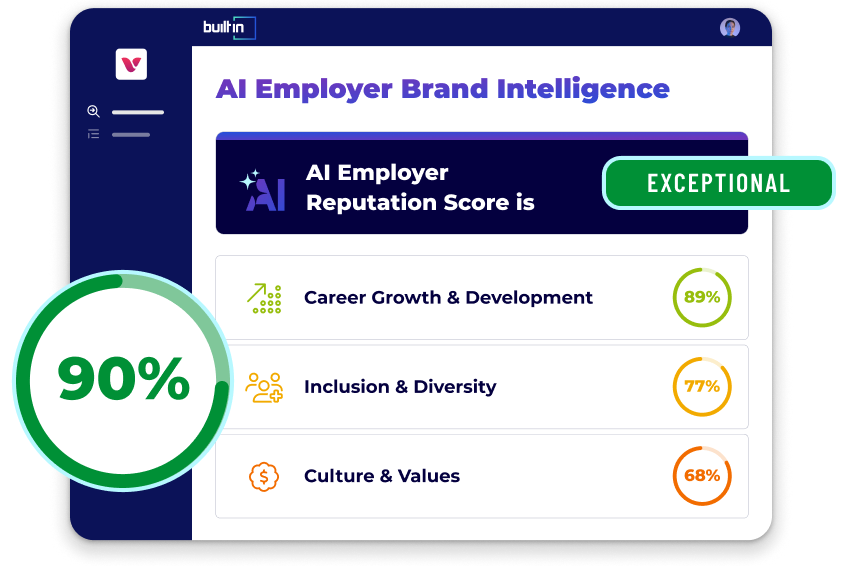
What does AI tell candidates about your employer brand?
Get your free AI reputation report today.
See AI Report
Living Security Insights
Living Security FAQs
Is This Your Company?
Claim Profile
