
SRAM, LLC

SRAM, LLC Innovation & Technology Culture
SRAM, LLC's Candidate Tradeoffs
If you’re weighing whether SRAM, LLC is the right fit, these are the core tradeoffs to consider.
- SRAM, LLC emphasizes thoughtful, systems-aware engineering that produces durable, high-quality products teams can build on with confidence, though that requires close collaboration across teams.
SRAM, LLC Employee Perspectives
What practices does your team employ to foster innovation? How have these practices led to more creative, out-of-the-box thinking?
On the more technical side of things, we have group activities such as an engineering book club, in which team members read about and discuss various engineering topics. Every few weeks, we also have a department-wide demo where team members showcase their recent progress. This has been a great way for me to learn about the various projects happening in parallel within our department.
Some of our electrical test engineers occasionally hold open office hours for an electronics repair clinic, where anyone from SRAM can bring a device that needs fixing. With the help of a few knowledgeable engineers, my malfunctioning vinyl turntable was back up and running in under an hour!
Outside of technical practices, lunch-and-learns are an opportunity for less avid cyclists to learn more about city biking, bike maintenance and proper bike fit from our more experienced riders. When the weather is nice, we use our new skills to enjoy team lunch bike rides along Lake Michigan.
Innovative group activities have helped our team feel more comfortable collaborating and communicating, which carries over into our professional tasks as well. And as a bonus, they make the office a fun place to be!
How has a focus on innovation increased the quality of your team’s work?
Engineering teams at SRAM have to solve unique challenges due to the interdisciplinary nature of our products. Oftentimes, a problem can’t be solved by just one engineer, or even just one department! Our work requires close collaboration between different teams of engineers (electrical, software, mechanical, industrial, you name it) operating across multiple time zones.
If we want to implement a new feature into one of our components, we must zoom out and consider: What aspects of the component will this affect? Its software? Hardware? Our mobile app? (Usually, the answer is all of the above). This requires us to assemble members from every team involved to make sure we’re aligned on the goals and risks of the project. What starts as a simple feature request can turn into a multi-departmental effort.
Our ongoing focus on building team rapport and collaboration makes this type of cross-functional work possible. Having an open line of communication between teams removes the barrier that often comes with asking for help. And as a result, we aren’t afraid to suggest new ideas or bring in new perspectives — which has led to some of our most exciting products.
How has a focus on innovation bolstered your team’s culture? Do these different practices give team members greater chances to bond and have fun?
SRAM is made up of some of the most creative and passionate people I know. I am constantly learning from my fellow team members in areas ranging from embedded systems to art to home improvement. And in doing so, I have discovered new passions of my own! One of our team members even started a lunchtime “SRAM Show and Tell” event as a platform for co-workers to learn more about each other’s hobbies outside of the office.
I think all my fellow team members would agree that our collaborations are as educational as they are enjoyable. The more we grow as a team, the easier it is to brainstorm, problem-solve and dream up our next innovative project.
Whether it’s by joining some friends for a lunchtime run, asking for new music recommendations, or simply grabbing a donut in the cafeteria to celebrate a new product launch, I have really enjoyed getting to know my teammates both as co-workers and as friends.

As SRAM embarks on its mission to build a more interconnected cycling ecosystem, it intends to broaden its audience. That comes down to the work of its employees who ensure that when the design process begins, foundational research includes people who are not necessarily represented in cycling.
“What we should be doing when we embark on research projects is thinking about age, fitness level, type of rider, gender, orientation — all these different things that make up the human experience. Part of the reason we do that is to be inclusive and get diverse perspectives. But you can have a single perspective that may be unique but can benefit many people.
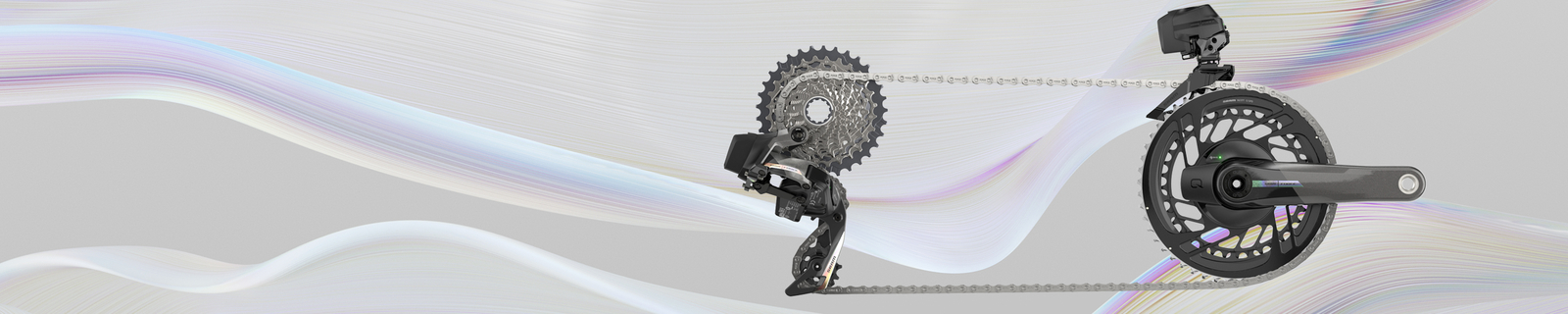
At SRAM, connected technology starts with the rider, not the data. Through products like TyreWiz and the AXS ecosystem, teams are exploring how smart components can give cyclists more confidence, control, and insight while keeping the ride experience simple and purposeful.
“There is a huge opportunity for what connected tech can do. We need to be very judicious. Our goal is to identify what riders want, how they use these connected components on their bike and how that enhances their experience on the bike.”
SRAM, LLC's Tech Stack