Pulse Analytics

HQ
New York, New York, USA
20 Total Employees
Year Founded: 2015

Similar Companies Hiring

Social Impact • Healthtech • Fintech
New York, NY
53 Employees
Telehealth • Social Impact • Healthtech
New York City, NY
20 Employees
Software • Retail • Payments • Fintech • eCommerce • Artificial Intelligence • Analytics
US
25 Employees
All Teams

Pulse Analytics ON THE PULSE OF HEALTH TECH

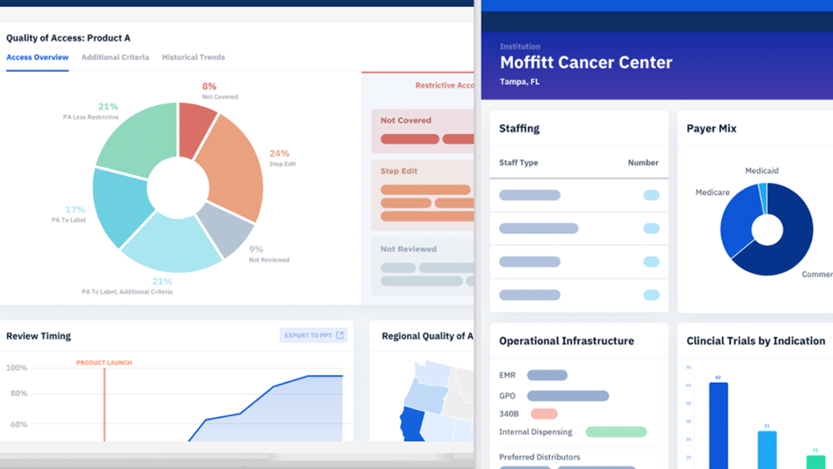
The healthcare and pharmaceutical industries are constantly evolving — but the agile, creative team at Pulse Analytics can keep up. Using tools like Python, PostgreSQL, MongoDB, Docker, Airflow and AWS, sharp-minded engineers make sure that Pulse can keep their finger on key trends and forecast future changes to deliver accurate, helpful information to their clients. Pulse’s technology team possesses the drive to achieve their goals and the joy in their workplace and teammates. “I really enjoy being part of a group of folks who set high standards, are easy to collaborate with, and also have lots of laughs together!” said Front-end Engineer Anh Vuong, current team Catan champion.

At a glance

on the pulse of education

Pulse offers a continuing education stipend and online course subscriptions for lifelong learners.

forward-thinking values

Service, agility, transparency, innovation and ownership.

dei from the top

Pulse has several women in leadership positions and makes DEI a high priority.

treat yourself

Offers a $200 cultural stipend to spend on whatever employees wish.

Inside Our Work


Pulse engineers are always ready for new ideas

Pulse is always encouraging Anh Vuong and her team to try new things and push for creative solutions — not just through culture, but also through specialized programs. On Pulse’s last “hack day,” where teams pause their regular workflow to explore new, creative ideas, Vuong designed a notification system to alert clients about changes in the industry. “Hack days provide a great opportunity for the engineering team to creatively explore new ideas and then share them with the rest of the company,” said Vuong. Other programs include book clubs, lunch and learns, and their Front-end Tech Talks.

profile

Anh Vuong

Front-end Engineer

Being a front-end engineer involves transforming noisy raw data into structured patterns and stories.


Choosing tech with a strong support community

As the first hire on the data engineering team, JJ Gong played a key role in setting up their processes, including how they use their tech stack. For the most part, they use the coding language Python to accomplish their goals due to its ubiquity and its community. “Python has lots of useful libraries for data engineering tasks,” said Gong. “Whenever I encounter any problems or challenges, it’s easy to find support and guidance online.” Currently, Gong’s team is using its tech stack to set up automated data extraction from a public health database to reduce team labor from manual collection.

profile

JJ Gong

Data Engineer

We chose these tools based on their ubiquity, which often translates to a strong community, support system, contributors and great open source technologies.


Listening to and implementing client and employee feedback

“Quantitative data doesn’t always paint the complete picture,” said Liv Durling. To get a full understanding, she pays close attention to customer and employee feedback. “Conversations with real users are essential to identify their precise needs, challenges and expectations.” While adapting to the constantly-changing landscape of healthcare tech and shifting to incorporate client feedback can be a challenge, it’s ultimately the key to growth for both the company and individuals on the team. Employees — “key stakeholders” in Durling’s mind — also get plenty of chances to offer feedback.

profile

Liv Durling

Product Owner: Client-Side Application

The most rewarding part of my job is knowing that our tools help patients gain access to the lifesaving care that they need, and working with great people to accomplish that.