


Frontier Communications
What's It Like to Work at Frontier Communications?
This page summarizes recurring themes identified from responses generated by popular LLMs to common candidate questions about Frontier Communications and has not been reviewed or approved by Frontier Communications.
What's it like to work at Frontier Communications?
Strengths in work-life balance, benefits, and supportive teams are accompanied by challenges tied to inconsistent leadership, limited advancement, and job security concerns. Together, these dynamics suggest an experience that can be comfortable and collaborative at the team level but variable and uncertain across the broader organization.
Key Insight for Candidates
Defining tradeoff: decent benefits and work-life balance versus chronic instability—reorgs, leadership shifts, and changing compensation—undercut advancement and job security. Candidates should verify layoff history, promotion pathways, and how current changes affect the team before committing.Positive Themes About Frontier Communications
-
Work-Life Balance: Schedules and workloads are often described as flexible and manageable in some roles, with remote-work options available in certain teams. Lower day-to-day stress is noted in stable groups.
-
Benefits & Perks: Health, dental, and vision coverage, paid time off, life and disability insurance, retirement plans, and a 401(k) are commonly highlighted. These benefits are considered a solid part of the overall package.
-
Team Support: Colleagues are often seen as friendly, knowledgeable, and willing to help. Some teams foster a cooperative environment that eases day-to-day work.
Considerations About Frontier Communications
-
Leadership Gaps: Leadership is described as inconsistent, with unclear direction and poor communication around organizational changes. Departmental silos and politically driven decisions contribute to confusion and coordination challenges.
-
Career Stagnation: Advancement opportunities are seen as limited, with unclear promotion practices and few raises. Commission structures and role changes can further cloud career trajectories.
-
Job Insecurity: Layoffs, restructuring, and leadership changes are frequently referenced, creating uncertainty about role stability. Ongoing organizational shifts leave long-term prospects unclear in some areas.
NEW
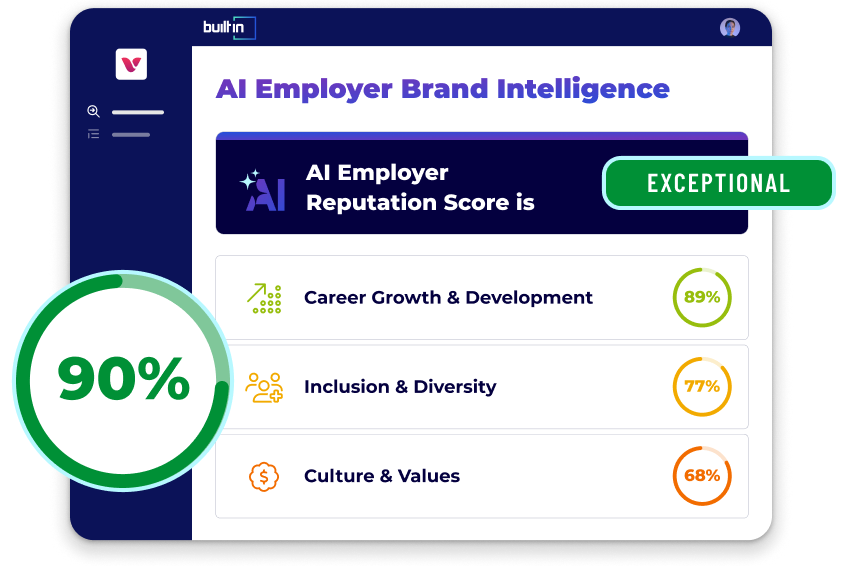
What does AI tell candidates about your employer brand?
Get your free AI reputation report today.
See AI Report
Frontier Communications Insights
Frontier Communications FAQs
Is This Your Company?
Claim Profile
