
Jeff Rumage
Staff Reporter at Built In
Expertise: Aerospace, Tech News, Human Resources, Professional Development and Workplace Culture
Education: University of Wisconsin-Madison
Jeff Rumage is a Built In staff reporter covering workplace culture in the tech industry. Before joining Built In in 2021, he worked as a reporter and editor for the Milwaukee Journal Sentinel, Patch and the Oconomowoc Enterprise. He earned a bachelor’s degree in political science and communications from the University of Wisconsin-Madison.
Sort By
Most Recent
784 Articles
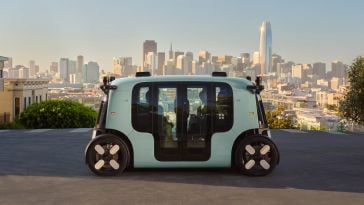
Zoox’s unique “carriage-style” robotaxi is expanding to more cities. Now the Amazon subsidiary needs California's permission to charge fares — and a plan to close the gap with Waymo.

Andreessen Horowitz is launching a tuition-free academy for high school graduates who want to build a company. The program will offer courses about AI and entrepreneurship from industry leaders, as well as hands-on experience at a major tech company.

Meta's new VR glasses, smart glasses and Muse Charm pendant aim to integrate AI more directly into user’s everyday lives. But people may be hesitant to give the company access to their most sensitive data and intimate moments.

When AI starts rewriting its own code, it may become smart enough to cure diseases — or threaten human existence. Discover how recursive self-improvement works, why top researchers are worried about it and how close we really are.

Competitive intelligence tools help companies track competitors, identify market trends and spot emerging opportunities. Learn about the top platforms in each category and how to choose the right tool for your team.

More employers are using AI to screen candidates before they ever speak with a recruiter. Here’s what to expect from an AI interview and how to put your best foot forward.

At long last, Tesla’s Cybercab has hit the road. Here’s how the driverless vehicle works, how it’s manufactured and how it stacks up against its competitors.

Hugging Face hosts millions of open-source AI models, datasets and tools, making it a central resource for developers building AI applications — and an increasingly important force in the future of AI.

Jeff Bezos’s aerospace company is moving past space tourism into heavy-lift rockets, lunar landers and satellite networks as it aims to compete with industry leader SpaceX.

After transforming Amazon into a global tech empire, billionaire Jeff Bezos is battling Elon Musk in the modern space race with Blue Origin and pushing to revolutionize manufacturing via Project Prometheus, his new artificial intelligence startup.

Sovereign wealth funds have become powerful tools for governments seeking to shape their economies. Could the U.S. use one to give the public a stake in AI’s growth?

AI website creators offer tools for creating, customizing and launching sites with minimal technical expertise. We compare some of the leading platforms to help you find the right fit.