
Why This Tech Leader Joined GitLab to Help Shape the Future of AI
When Sakthivel Muniraju began looking for a new role several months ago, he sought a company that wasn’t just embracing AI but actively shaping its future. He found exactly that at GitLab.
What Does GitLab Do?
GitLab’s single AI-powered DevSecOps platform lets teams deliver software faster with integrated tools across the software development lifecycle.
Based in Bangalore, India, Sakthi has spent the past two decades building and leading CIO teams for multinational corporations. While his experiences overseeing internal technology, system transformation and data infrastructure have been professionally enriching for Sakthi, he also wanted to experience working at a company that was defining how enterprises build and operate in the AI era. That’s why he decided to join GitLab as a senior director of enterprise applications earlier this year, energized by the opportunity to help build a unified, AI-native DevSecOps platform.
“It is an especially compelling space because enterprises are looking for both speed and strong governance, and with AI rapidly reshaping software development, GitLab is well-positioned to help organizations navigate that shift securely and at scale,” Sakthi said.
According to Sakthi, India offers GitLab top-notch talent across enterprise technology, business systems, data and AI. As he builds out CIO teams, he’s searching for individuals who can own their work, communicate clearly and stay agile as they “build what’s next” for GitLab’s AI-first era.
“You get the chance to help shape the operating model, influence the culture, build new capabilities and grow with the function as it scales,” Sakthi said.
Below, Sakthi shared more about why he said “yes” to joining GitLab, his approach to leadership and building team culture, and how his team is driving influence on a global scale.


Why Sakthivel Muniraju Joined GitLab
What struck me most when I first considered GitLab was that the role felt far broader than a conventional enterprise applications leadership position. Even from the outside, it was evident that GitLab was building an intelligent orchestration platform that is shaping the future of how humans and AI work together, which made the opportunity instantly compelling. What deepened my interest was that the conversation was not simply about leading and scaling CIO teams in India, but about playing a part in shaping how the CIO organization itself evolves as it grows.
What stood out to me was how clear it became that GitLab was investing in the future of the AI era. The conversations reflected a genuine sense of ownership, openness and ambition, and it felt like the kind of place where you could build high-performing teams that operate as one global team and contribute meaningfully to the company’s growth story.
What made GitLab the right next step for me was its unique combination of enterprise scale, AI and platform thinking. After spending the past two decades building and leading CIO teams in India for multinational corporations, I was looking for an opportunity to be part of an organization that is not just embracing AI, but actively shaping how enterprises build and operate in the AI era.
What excites me about GitLab is that it is building a unified, AI-native DevSecOps platform, with AI embedded across the entire software lifecycle not just to assist with coding, but to help teams plan, build, secure and deliver software more effectively. It is an especially compelling space because enterprises are looking for both speed and strong governance, and with AI rapidly reshaping software development, GitLab is well-positioned to help organizations navigate that shift securely and at scale.
What It’s Like to Work on GitLab’s Enterprise Applications Team
What our team owns is the enterprise technology that helps GitLab run at scale. We manage the core enterprise systems and workflows behind functions like sales, finance, marketing, procurement, product & engineering, people, travel and expense, and IT service management, which matters because when those systems work well, the business can move faster, operate more smoothly and scale with confidence. The work the CIO team does is very directly tied to growth, productivity and business outcomes.
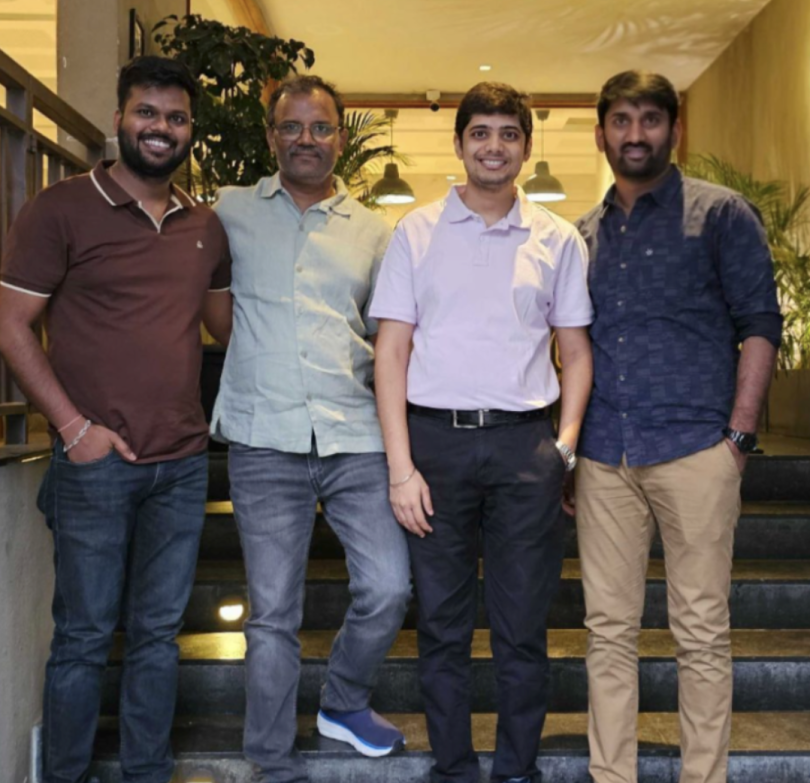
Why GitLab Is Building Its Enterprise Applications Team in India for Global Impact
GitLab is investing here because India offers exceptional enterprise technology, business systems, data, and AI talent, and because our remote-first model enables teams in India to lead business-critical work for the company globally. For the broader India tech community, it signals that global capability, leadership, and long-term career growth can be built from here.
What Does GitLab's Enterprise Applications Team Do?
GitLab’s enterprise applications team manages the enterprise technology and workflows behind functions like sales, finance, marketing, procurement, product & engineering, people, travel and expense, and IT service management. The team’s work is directly tied to growth, productivity and business outcomes.
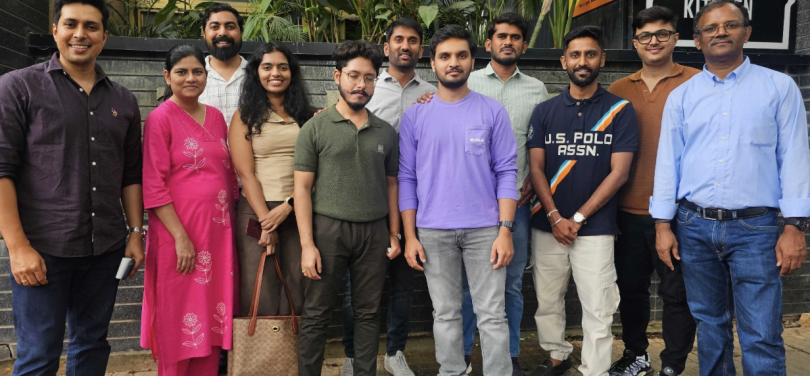
Why It’s an Exciting Time to Join GitLab’s Enterprise Applications Team in India
I think GitLab gains a lot by building this team in India. India has exceptional depth in enterprise technology, business systems, IT, integrations, data and AI-adjacent engineering talent, and GitLab is already showing that this is not just a delivery location but a place to build real leadership and global ownership. The CIO organization already has India-based leadership and teams across enterprise applications, data, IT and AI and integration work, and my remit was specifically positioned to help scale operations while serving the company globally. Over time, I want our group to be deeply connected to the local tech community through hiring, knowledge-sharing, capability-building and creating a reputation that some of the most interesting enterprise transformation work can be led from here for global impact.
For someone joining us, the timing is especially exciting because GitLab is still in the early stages of building out this footprint in India in a meaningful way. You get the chance to help shape the operating model, influence the culture, build new capabilities, and grow with the function as it scales. GitLab has already been hiring in the CIO organization, which means people joining now have the opportunity to be early builders and have an outsized impact on what this organization becomes over the next few years.

What Qualities GitLab Looks For in Job Candidates
Beyond technical skills, I look for people with a growth mindset: ownership, judgment, clear communication and the agility to learn quickly and adopt. I value candidates who can bring structure and deal with ambiguity, ask thoughtful questions, and keep work moving without waiting for perfect direction. In a global, cross-functional environment like GitLab, the people who scale best are curious, bring energy and enthusiasm and are collaborative, transparent, iterative and focused on outcomes with speed and agility.
Leadership and Team Culture on GitLab’s Enterprise Applications Team
My thought on developing people is very simple: My job as a leader is not just to help someone succeed in the role they have today but to help prepare them for the role they can grow into next. I want people to get real ownership, meaningful stretch and the kind of support that helps them build judgment, confidence and range over time. That means being clear on expectations, giving candid feedback timely, creating opportunities to lead through ambiguity and making sure people are learning from the work, not just delivering it. I think a leader should create the conditions for growth, remove friction where it matters and help people see a bigger trajectory for themselves.
“My job as a leader is not just to help someone succeed in the role they have today but to help prepare them for the role they can grow into next.”
When the team culture is built the way we want it, it feels like high trust, high ownership and low ego. People know what they own — they move with urgency, they collaborate well and they are comfortable. There is a strong bias toward clarity, iteration and problem-solving, and people feel empowered to raise issues early, challenge constructively and keep improving how we work. At its best, it should feel like a place where expectations are high, but support is real; where people are stretched, but not left alone; and where good work is visible, valued and connected to meaningful business outcomes.
How GitLab Helps Employees Grow and Build AI Careers
Leading through the shift to agentic AI means helping enterprise applications evolve from traditional system support into intelligent orchestration. At GitLab, I see our group playing a key role as “customer zero” for internal AI adoption by proving where agents and automation can remove friction across enterprise technology, while making sure those solutions stay reliable, integrated, secure and governed. We have been using the Duo Agent platform — an AI-native system that lets software teams collaborate with specialized AI "agents" across the entire development lifecycle — in our enterprise applications software development and we continue to dog food our other product offerings as well.
Ownership on my team means people are trusted to take a problem, create clarity and move it forward from day one. GitLab already gives new hires a structured path to ramp quickly and contribute early, and what I see as an opportunity in return is curiosity, clear communication, sound judgment and the willingness to learn, adopt and work.
To me, “Build What’s Next” means helping shape how enterprises operate in the agentic era. It means building new capabilities early, taking real ownership and helping GitLab lead by using its own platform and AI-driven ways of working to raise the quality, depth and pace of innovation it delivers to the world.
What Sakthivel Muniraju Is Most Excited to Build in the Next Year
Looking a year out, what excites me most is building a function that is not only scalable and globally connected but also increasingly intelligent in how it supports the business. Just as importantly, I’m excited to build a team that is trusted with meaningful ownership, grows quickly through real impact and helps define what modern enterprise technology leadership looks like at GitLab.
GitLab is expanding its enterprise applications team to tap into exceptional talent in enterprise technology, data and AI. This team leads business-critical, global initiatives within a remote-first structure, offering employees global career impact and leadership opportunities.
Frequently Asked Questions
What does the enterprise applications team do at GitLab?
GitLab’s enterprise applications team manages the core enterprise systems, technology and workflows behind key business functions, including sales, finance, marketing, procurement, product and engineering, and people. Key functions of the team include maintaining and scaling the enterprise tech stack that powers essential internal workflows across departments, and ensuring internal software and platforms run smoothly.
Why is GitLab building a team in Bangalore?
GitLab is expanding its enterprise applications and CIO footprint in Bangalore, India to capitalize on top-tier technical expertise and build globally impactful leadership within its remote-first model. India possesses exceptional depth in enterprise technology, business systems, IT, integrations, data and AI-adjacent engineering talent. Rather than operating as a routine delivery location, the Bangalore team is structured to hold real ownership over business-critical global initiatives, shape operating models and influence company culture.
How does GitLab use AI in software development?
GitLab embeds AI natively across its single DevSecOps platform to transform software development from traditional coding assistance into intelligent orchestration across the entire lifecycle. For instance, AI is embedded across every stage of the development process—not just to assist with writing code, but to help software teams plan, build, secure and deliver software more effectively. Also, the company's developers utilize the Duo Agent platform, an AI-native system that lets teams collaborate with specialized AI "agents" to automate tasks and streamline complex technical workflows.