



Teams that have a clear mission not only stay in sync with one another; they also make for happier, more engaged employees. Researchers at Gallup can confirm. Gallup found that half of employees who have purpose-driven work report feeling engaged at their jobs.
For the team at healthtech company SOPHiA GENETICS, the mission of establishing data-driven medicine as the standard of care influences every decision, including the recent initiative to form a joint venture with Memorial Sloan Kettering Cancer Center.
“Together, we will build an “AI Lab of the Future” in NYC focused on building next-gen, personalized AI tools that help cancer patients achieve the best outcomes,” CEO Ross Muken said. “This investment puts patients at the center of our business strategy and aims to create positive outcomes for all.”
Customer-centricity is important at FieldPulse, too.
The company builds a platform for field service teams that helps service businesses manage their workflows, so product updates have an immediate real-world impact.
“When our team interacts directly with customers, they see the tremendous impact of our work and understand the pain points they experience, which ultimately helps shape our path forward,” CEO Gabriel Pinchev said.
Built In spoke with tech professionals across industries to hear how mission-driven work keeps their teams engaged and in sync while delivering better customer outcomes.
Featured Companies
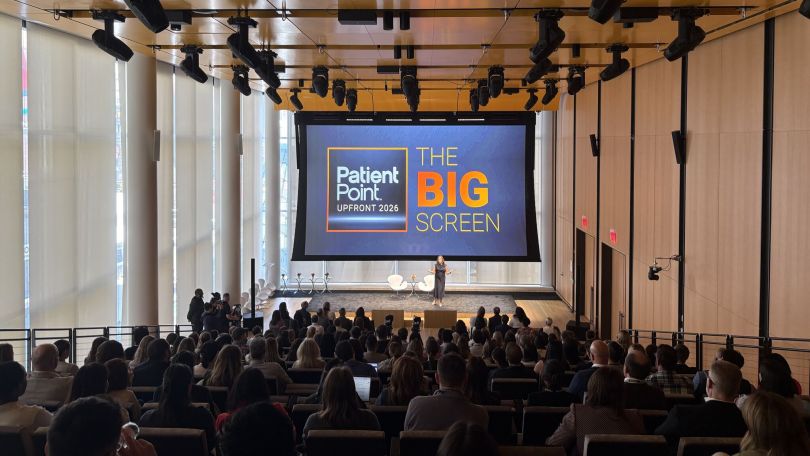


PatientPoint delivers digital in-office patient education at no cost to physicians, empowering healthcare professionals to connect more meaningfully with their patients.
In one sentence, why does your company’s mission matter to your team — and what recent decision did it shape?
Marketing is PatientPoint’s mouthpiece. Every audience we touch — providers, health brands, patients — needs to see the value and feel the impact of what we do together to improve outcomes. That mission shows up in our messaging, our positioning, our outreach, every asset we produce. Nothing goes out the door without asking one question: Does this clearly articulate how we help this audience improve outcomes?
A recent decision it shaped: We evolved our positioning to establish PatientPoint as “The Point of Change Company.” This sharpens how we show up — every care touchpoint where PatientPoint exists is a real opportunity for change. Rolled out internally and externally, it keeps us all focused on the mission: enabling greater awareness, understanding and action when it comes to health.
Which initiative best demonstrates the impact of your mission — and how was its success measured?
This year we launched The Big Screen, an education-driven initiative that leverages our in-office screens to reinforce the importance of preventive screenings. It’s a partnership play — health brands, providers and reputable organizations like the American Cancer Society working together to drive more screenings — but the real audience is the patient standing in the waiting room or exam room deciding whether screening matters for them.
What makes it work: Providers and health brand partners are patients, too. Everyone in the ecosystem sits on both sides of the equation, so the impact compounds. A message that moves a patient to get screened is the same message that reinforces why a health brand partners with us and why a provider trusts the content on their screen.
Success shows up as screening intent and lift tied to campaign exposure — the throughline from awareness to action, measured at the point of care.
What ritual or leader behavior convinces people the mission is real?
Testimonials. Hearing directly from doctors on what the content changes in their exam room conversations. Hearing from patients on how seeing the right education at the right moment shifted a decision they were putting off.
We actively seek these stories out — not just for external proof points, but because they’re the clearest signal our own team gets that the work matters. It’s easy to lose sight of impact inside a slide deck or a campaign brief. A patient’s voice describing how patient education changed their choice cuts through that instantly. It reinforces, in a very real way, that we’re not just producing marketing collateral — we’re shaping individual and population health outcomes.


Navan is a corporate travel and expense software company that makes travel and expense easy.
In one sentence, why does your company’s mission matter to your team — and what recent decision did it shape?
Our mission matters because everyone at Navan believes in the power of in-person connections and we work every day to make those connections easier by delivering the best experience for every traveller, from planning through the journey home – a belief reflected in the launch of Navan Anywhere, giving customers access to Navan’s full intelligence and capabilities wherever and however they work.
Which initiative best demonstrates the impact of your mission — and how was its success measured?
The integration of our subsidiary Reed & Mackay is a clear example of our mission in action. We are bringing together two strengths to make travel even easier for our customers: Reed & Mackay’s world-renowned, white-glove service and Navan’s AI-powered technology. As Reed & Mackay customers transition to the Navan platform, they retain the dedicated expertise they trust while gaining access to Navan’s booking, reporting, expense and broader platform capabilities. At the same time, Navan customers can add high-touch consultant support when their travelers or itineraries require it. We measure success through customer outcomes, especially net promoter score and CSAT; in Q1, the Navan Group delivered an NPS of 45 and a CSAT of 96 percent.
What ritual or leader behavior convinces people the mission is real?
We don’t just talk about the power of in-person connections — we live that value. In a world where AI makes it possible to work from almost anywhere, we believe being together in person is more important than ever. Our entire business is built around powering in-person connections, so we try to model that belief in how we operate: Our leadership prioritizes being in-person and traveling to different offices and we create regular opportunities for teams to come together through offsites, all-hands, customer meetings and time on the road. These are not symbolic activities — they help us build trust, share context, solve hard problems and stay connected to the human experiences our product is designed to enable. If we ask our customers to make the most of being together, we believe we should do the same ourselves.


Axle Health builds scheduling and workforce management software to empower in-home healthcare providers to deliver personalized care.
In one sentence, why does your company’s mission matter to your team — and what recent decision did it shape?
Every one of us has watched someone we love try to age at home in a system that wasn’t built for it, so the mission is personal — and it’s why we recently doubled down on our core product, the provider-matching engine that pairs each patient with the right clinician on clinical fit, drive time, continuity and language, rather than chasing whatever shiny new fad everyone else is racing after.
Which initiative best demonstrates the impact of your mission — and how was its success measured?
Home health clinicians spend less than half their day actually seeing patients — the rest disappears into driving, scheduling and paperwork. And that’s the single biggest thing standing between seniors and the care they need: there aren’t enough clinicians, the shortage is only getting worse and every hour lost to logistics is an hour a patient doesn’t get seen. So we went after the hardest version of that problem and built what we believe is the most sophisticated geospatially distributed scheduling algorithm in all of healthcare — it models every clinician, patient and constraint across a region and solves for the routes and sequencing that scrape out every last point of productivity. Less time in the car, more time hands-on with patients. We measured it the only way that matters: time back in front of patients, where the result is a plus 17 percent jump in clinician productivity for our customers — which, when clinicians are this scarce, is the difference between a patient getting seen at home and one left waiting.
What ritual or leader behavior convinces people the mission is real?
What makes it real is that nobody performs it. We don’t do hustle theater — no 9-9-6 chest-thumping, nobody tracking hours or posting about their nights and weekends for clout. When something important needs building, people just build it and then we celebrate the specific humans who did it, by name — not some abstract “grind.” The bigger signal is radical transparency in all-hands: I share the real numbers, including the ugly ones. Two years ago we were down 76 percent with under a year of runway and the team heard that straight from me — same as they heard we improved ten-fold the next year. What convinces people is that the scoreboard is honest and the credit goes to whoever earned it. Treating people like adults who can handle the truth works better than any pep talk I could give.


Healthee is a healthtech company that uses AI to power its employee benefits app, which helps users navigate insurance coverage and treatment.
In one sentence, why does your company’s mission matter to your team — and what recent decision did it shape?
Our mission: “Make access to a healthier life effortless” matters to our team because we all can relate. Benefits are a pain point pretty much all Americans can relate to. It shapes every decision we make at Healthee, from product updates, to team members we hire, to companies we partner with.
Which initiative best demonstrates the impact of your mission — and how was its success measured?
If you take a look at the money saved for our clients, partners and their employees, as well as positive health outcomes and better decision making — such as our increase in voluntary benefits enrollment — it is clear our mission is making a positive impact on those using Healthee. The ROI data is impressive and inspiring.
What ritual or leader behavior convinces people the mission is real?
Our team and leadership live by this mission every day and it’s shown in how we implement feedback from users, clients and feedback, as well as how hands-on our leadership is with the day-to-day. For example, our CEO is on the ground, running with all the salespeople, showing up and helping to spread the mission.


Garner Health helps people find top-performing doctors who deliver better outcomes at lower costs, using AI and healthcare claims data to measure physician performance. Its platform helps employers reduce healthcare spending while giving employees financial incentives to choose high-quality doctors within their existing insurance networks.
In one sentence, why does your company’s mission matter to your team — and what recent decision did it shape?
Garner’s mission of improving care quality and reducing healthcare spending drives our legal team to work hard, move quickly and solve complex problems so that as many members as possible get the quality care they need. Our contracting playbooks and efficient use of AI have made us faster at delivering those solutions.
Which initiative best demonstrates the impact of your mission — and how was its success measured?
I see it in the annual licensure and reporting work we do every year. It might sound like the least glamorous corner of legal, but I love seeing such concrete, tangible impact: every year we compile the number of covered lives under Garner plans and claims reimbursed and watching those numbers grow year over year is clear proof that the mission is working. It’s one thing to say we’re improving access to quality care — it’s another to see exactly how many people Garner’s solution impacts.
What ritual or leader behavior convinces people the mission is real?
At all-hands meetings, when teams like concierge and account management present and tie company updates back to real member outcomes (a person who finally found the right specialist, the diagnosis caught early, etc.), it makes the mission come to life.
From my seat in legal, I see it in the numbers too. Our client base is growing fast and every contract we close means more members Garner can reach and empower.



SOPHiA GENETICS is a healthcare technology company that provides software infrastructure to assist data-driven medicine as the standard of care and for life sciences research.
In one sentence, why does your company’s mission matter to your team — and what recent decision did it shape?
Everyone knows someone who has been affected by cancer or a rare disorder and at SOPHiA, our mission is to use AI to help those patients gain access to the best possible care.
This mission shapes everything we do. Recently we launched a major initiative to form a joint venture with Memorial Sloan Kettering Cancer Center. Together, we will build an “AI Lab of the Future” in NYC focused on building next-gen, personalized AI tools that help cancer patients achieve the best outcomes. This investment puts patients at the center of our business strategy and aims to create positive outcomes for all.
Which initiative best demonstrates the impact of your mission — and how was its success measured?
Two years ago, we launched a revolutionary liquid biopsy test that provides actionable insights to cancer patients from a single blood draw, using AI. This technology was first of its kind in that it allows hospitals across the globe to launch this test for their patients. At SOPHiA, we measure our success in patient impact. I’m proud to say that as of last month, we have provided insights for over 15,000 patients since launch across 30-plus countries.
What ritual or leader behavior convinces people the mission is real?
At SOPHiA, we embed customer centricity into everything we do. Technological innovation alone doesn’t count, instead, we celebrate adoption. As a company striving to build a collective intelligence fueled by the knowledge and data of the top cancer centers globally, we have to stay very close to our customers.
We regularly involve customers in workshops and company events and also host a major innovation summit twice per year. A few months ago, we hosted over 200 leaders in our space to collaborate on ways we can use AI and the SOPHiA Platform, to better serve patients. The event not only demonstrated the power of the SOPHiA community, but it also resulted in a few critical key advancements which we will use to shape our strategy and technology going forward.


Upside is a financial tech company behind the Upside platform, which gives consumers cash back and helps brick-and-mortar businesses earn measurable profit.
In one sentence, why does your company’s mission matter to your team — and what recent decision did it shape?
Our mission — to advance the economic power of people and businesses in the real world — isn’t a poster on the wall for us, it’s the actual math behind the business. We only make money if we grow spending power for consumers and profit for retailers, so that’s baked into every decision we make. If we stop living by our mission, we don’t have a business.
Which initiative best demonstrates the impact of your mission — and how was its success measured?
When the fuel supply crisis in the Strait of Hormuz squeezed wallets and margins, we didn’t wait to see how it shook out. We proactively changed our own economics so retailers stayed ahead and set offer floors so consumers kept earning cash back even as margins thinned. The metric of success was simple: incremental gallons sold grew sharply and signups surged, meaning people and businesses were able to keep earning through a moment of real crisis.
What ritual or leader behavior convinces people the mission is real?
Twice a year, we bring users and retailers into company meetings to share about their Upside experience: The good, the bad and the ugly. No script, no polish, just an honest scorecard about how we’re doing for the people we serve.


Golden Pet Brands is a pet health and nutrition company.
In one sentence, why does your company’s mission matter to your team — and what recent decision did it shape?
Our mission matters to our manufacturing team because every decision we make directly impacts our ability to create food that helps pets live longer, healthier lives and it shaped our recent decision to purchase an additional manufacturing facility so we can expand our capacity, strengthen our capabilities and continue delivering high-quality products to more pets and their families.
Which initiative best demonstrates the impact of your mission — and how was its success measured?
The purchase and integration of our additional manufacturing facility is one of the clearest examples of our mission in action because it strengthens our ability to make a meaningful impact on the health and longevity of more pets. From a manufacturing perspective, the investment is about much more than adding physical capacity — it gives us greater control over our production capabilities, allows us to scale responsibly, strengthens our operational resilience and creates opportunities to continuously improve the quality and consistency of the nutrition we provide. We measure the success of this initiative through increased production capacity, improved efficiency and utilization, quality and food-safety performance, on-time delivery and our ability to meet growing customer demand. Ultimately, the most important measure is whether this investment enables us to reliably put more high-quality nutrition into the bowls of more pets, helping us deliver on our promise of creating a world where pets live longer, healthier lives — from their very first meal.
What ritual or leader behavior convinces people the mission is real?
Our mission becomes real through consistent communication and leadership at every level of the organization. Our bi-weekly all-hands meetings connect our teams to the bigger picture, helping employees understand how the work we do together contributes to creating a world where pets live longer, healthier lives. At our manufacturing facility, weekly leadership meetings keep the mission connected to the day-to-day decisions around safety, quality, people, production and continuous improvement. We also hold quarterly supervisor meetings to ensure our frontline leaders are aligned, equipped and able to translate our mission into the everyday experience of our manufacturing teams. At every meeting, we start with discussing human safety and the quality of our products reinforcing for all employees that protecting our people and delivering the highest-quality nutrition for pets are our most important priorities. These regular touch points reinforce that our mission is not simply a statement — it is a lens through which we make decisions, lead our people and measure the impact of our work.


FieldPulse is a platform for field service teams that helps service businesses manage their workflows.
In one sentence, why does your company’s mission matter to your team — and what recent decision did it shape?
Our mission of “giving field service businesses the support they need to grow” is significantly important to us because we know the massive positive impact our software can have on the lives of small business owners. That mission directly shaped our recent decision to expand our customer enablement team. Ensuring we can provide users with robust education, personalized training and hands-on support so they fully understand every tool available to them and achieve the greatest possible return on their investment is the goal.
Which initiative best demonstrates the impact of your mission — and how was its success measured?
A recent example would be our expansive enhancements to offline functionality in our technician mobile app. Out in the field, cell reception can be spotty, making it often not possible to perform different steps in your process, including invoicing the customer. Our newly enhanced offline functionality directly saves lost revenue from customers by being able to create estimates and invoices regardless of your signal, greatly boosting collections. Our goal is to continue enhancing our products and services in ways that better the lives of our customers and help them grow their business.
What ritual or leader behavior convinces people the mission is real?
We put team members in a position to have direct exposure to our customers. There is nothing more convincing than experiencing the mission firsthand by working with and learning from them. When our team interacts directly with customers, they see the tremendous impact of our work and understand the pain points they experience, which ultimately helps shape our path forward.


Cie is a venture studio that serves as an innovation lab and accelerator for entrepreneurs.
In one sentence, why does your company’s mission matter to your team — and what recent decision did it shape?
We exist to build what’s missing: creating startups from the ground up to take on the problems others haven’t solved yet. We’re drawn to the challenges where we can write the playbook, possibilities are still undefined, and together, we can imagine, build and bring something entirely new to life. Our venture studio model combines entrepreneurial thinking, technical expertise and creative innovation with a repeatable framework for building ideas from zero-to-one across industries like education, government, retail and beyond.
Which initiative best demonstrates the impact of your mission — and how was its success measured?
Our mission comes to life through everything we build. As our startups advance through different stages of growth and fundraising, the Cie hub remains deeply embedded — bringing shared talent, expertise and insights to each venture. The result is a ripple effect: Each company creates a meaningful impact of its own, while accelerating our team’s knowledge, capabilities and impact. That becomes the catalyst for what we take on next.
What ritual or leader behavior convinces people the mission is real?
Our entrepreneurial team stays close to creation — actively participating in brainstorms, market assessments, pitches, working sessions and demos while moving quickly to stress-test ideas and understand where real value exists. Our innovation-driven culture empowers people at every level to build, experiment and learn, while rotating expertise across ventures so insights from one challenge can accelerate another. We embrace what’s working and build on every successful launch by redeploying what we’ve learned toward where our collective expertise can create impact next.
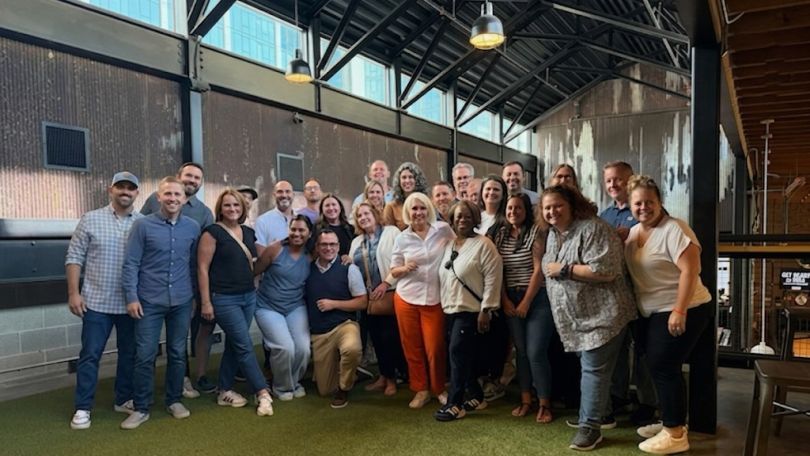


Openly offers comprehensive homeowners insurance and arms agents with the tools necessary to serve up a world-class customer experience.
In one sentence, why does your company’s mission matter to your team — and what recent decision did it shape?
Part of our mission is to empower humans. Because navigating an insurance claim requires true empathy and expertise, empowering humans led us to design our AI strategy around enabling our adjusters rather than replacing them.
Which initiative best demonstrates the impact of your mission — and how was its success measured?
We are currently deploying a Voice AI tool for First Notice of Loss that automates routine intake while keeping human adjusters focused on the complex adjusting process. We measure success by our ability to scale with policy growth without increasing headcount at the same rate, while maintaining customer choice by always offering an immediate option to speak with a human.
What ritual or leader behavior convinces people the mission is real?
Uncompromising transparency and open communication convince our team the mission is real. Every employee has full access to company and department performance metrics, aligned messaging through a regular meeting cadence at all levels and open Q&A sessions so everyone understands how the claims team directly impacts Openly's broader performance.


