
Matthew Urwin
Staff Reporter at Built In
Expertise: Tech journalism
Education: Ohio State
Matthew Urwin is a Built In staff reporter on the editorial team. He has written for The HOTH, BKA Content and Cox Automotive, covering solar energy, auto repairs, business technology and other topics.
He has a degree in English literature with minors in professional writing and comparative studies from Ohio State.
Sort By
Most Recent
173 Articles

DeepSeek is a Chinese artificial intelligence lab best known for disrupting the AI industry with its DeepSeek-R1 model in January 2025. Here’s everything to know about the company and its renowned open-weight models.

Muse is an AI agent created by Meta that can remember previous interactions and makes proactive recommendations. Here’s a rundown of how Muse works, what it’s capable of and why it’s raising concerns among some users and tech competitors.

President Trump has rebranded artificial intelligence as “super intelligence,” and established a brand new task force to go along with it. Here’s everything to know about Trump’s Super Intelligence Force and what it means for the AI industry.

Agent swarms are groups of AI agents that work together to achieve complex goals that they can’t accomplish on their own. Here’s how they work and how to control them to maximize their benefits and minimize their risks.

Asset management companies pool funds from both individuals and financial institutions, investing them in diversified portfolios. Here’s a rundown of the services asset managers offer and companies for investors to consider.

Tesla is a renewable energy provider best recognized for its all-electric luxury vehicles. But the company is so much more than just an automaker. Here’s what to know about Tesla, including its early history, main products and unique customer model.
The Trump administration is embracing specialized versions of ChatGPT and Grok for military applications. Here’s what to know about ChatGPT Mil, Grok for Government and the fight to regulate how the U.S. government uses artificial intelligence.
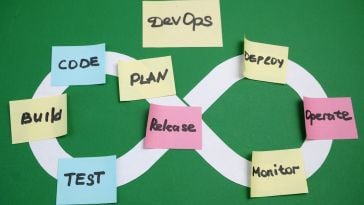
Development operations (DevOps) is a framework that promotes collaboration between software development and IT support teams. Here’s an overview of the top DevOps tools and some tips for choosing the right ones to meet your company’s needs.

After enjoying rapid expansion under Trump’s watch, the AI industry has run into fierce public backlash. Here are the key issues American voters care about most and how they could determine the direction of artificial intelligence beyond the midterms.
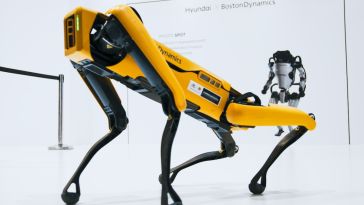
Boston Dynamics specializes in building two- and four-legged robots intended to automate demanding labor. Here’s a rundown of the company’s products, including how they work, how they’re used and how they could shape the future of work.

Flock Safety has become known for its license plate readers, which compile vehicle data that’s helpful for police investigations. Here’s how Flock’s cameras work, how they’re used and why they’re facing some pushback.

In an interconnected world that can be distracting, more people are finding relief in digital detoxes — taking a break from smart devices and social media for a set period. Here’s what to know about the practice, its benefits and how to get started.